Dr. Sanmit Joshi
Oral & Maxillofacial Surgeon • Head & Neck Oncosurgeon
MDS - Oral & Maxillofacial Surgery
Fellowship In Head & Neck Surgical Oncology - Tata Memorial Hospital, Mumbai
Advanced Implant Rehabilitation Training – Herman Ostrow School of Dentistry, University of Southern California
Fellow - International Congress of Oral Implantologists (ICOI)
Dr. Sanmit Joshi
Oral & Maxillofacial Surgeon and Head & Neck Oncosurgeon in Mumbai
Welcome to the official practice page of Dr. Sanmit Joshi. With over 10 years of post-fellowship clinical experience, Dr. Joshi’s practice focuses on head and neck cancer surgery, maxillofacial trauma, jaw disorders, reconstructive procedures, and dental rehabilitation following cancer treatment.
Dr. Sanmit Joshi holds a Master of Dental Surgery (MDS) in Oral and Maxillofacial Surgery and completed a Fellowship in Head and Neck Surgical Oncology at Tata Memorial Hospital, Mumbai. His clinical experience includes the surgical management of head and neck cancers, maxillofacial trauma, jaw disorders, and reconstructive procedures.
His additional training includes clinical fellowship exposure in temporomandibular disorders at UCL Eastman Dental Institute, London, and advanced implant rehabilitation training at the Herman Ostrow School of Dentistry, University of Southern California. He is also a Fellow of the International Congress of Oral Implantologists (ICOI).
His work involves evaluating the condition, reviewing relevant imaging and investigations, discussing appropriate treatment options, and considering the functional implications of surgery. Where a condition requires multidisciplinary input, coordination with other specialists forms an important part of treatment planning.
Qualifications & Training
Specialist Training. Extensive Surgical Experience.
MDS
01
Oral & Maxillofacial Surgery
Qualified through Maharashtra University of Health Sciences, Nashik.
10+ Years
02
Clinical Experience
Post-fellowship experience in surgical practice and patient management.
Tata Memorial Hospital
03
Head & Neck Surgical Oncology
Fellowship training in head and neck cancer surgery, Mumbai.
International Training
04
Advanced Clinical Exposure
Additional training in TMJ disorders and implant rehabilitation.
Areas of Expertise
Maxillofacial Surgery
Surgical management of conditions affecting the jaws, facial bones, oral structures, and jaw joints, with a focus on restoring function and addressing structural concerns.
Head & Neck Cancer Surgery
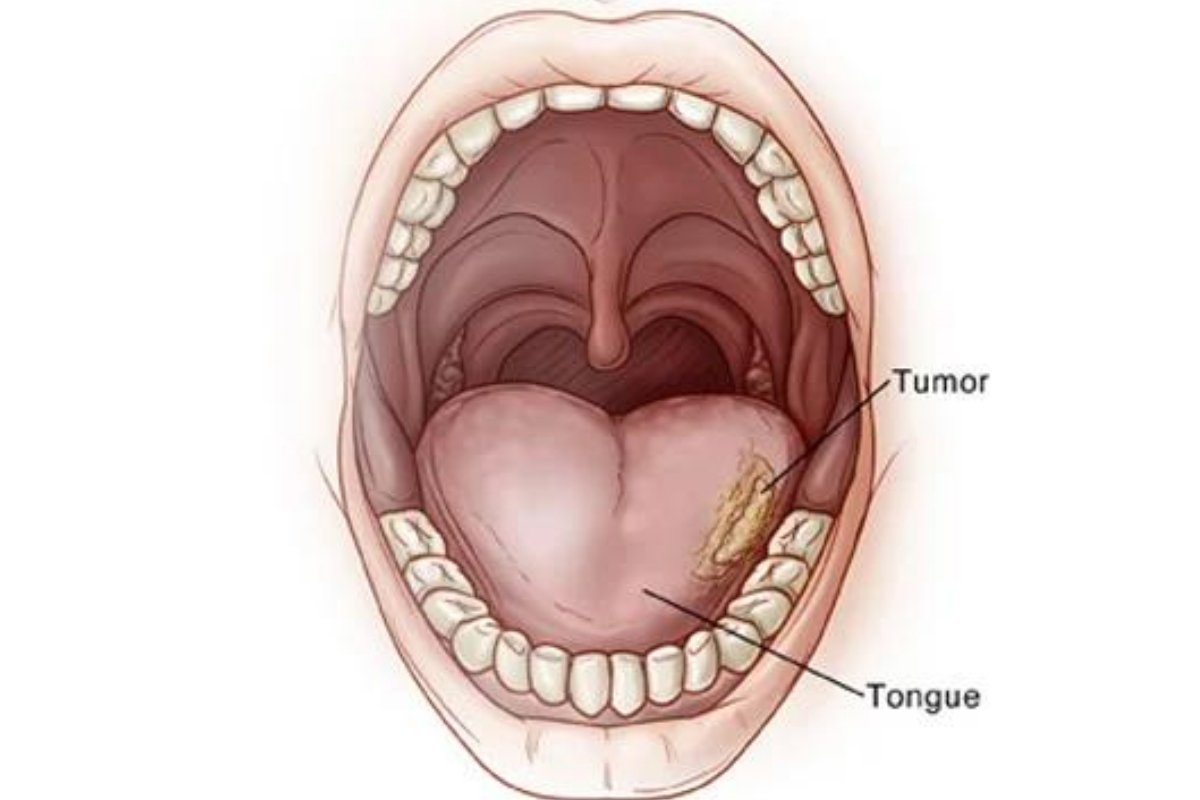
Surgical evaluation and treatment of cancers affecting the oral cavity and head and neck region, with consideration of disease extent, surrounding structures, and reconstructive needs.
Areas of Clinical Practice
Conditions affecting the mouth, jaws, and facial structures can influence everyday functions such as speaking, chewing, swallowing, and facial movement. Understanding the underlying condition, its extent, and the structures involved is essential to determining the right course of treatment.
Dr. Sanmit Joshi’s practice spans oral cancer surgery and oral and maxillofacial surgery, bringing together specialist training in Head and Neck Surgical Oncology and Oral and Maxillofacial Surgery. Treatment planning considers diagnostic findings, the extent of the condition, available surgical options, and the potential impact on function and appearance.
Head & Neck Cancer Surgery and Onco-Reconstructive Procedures
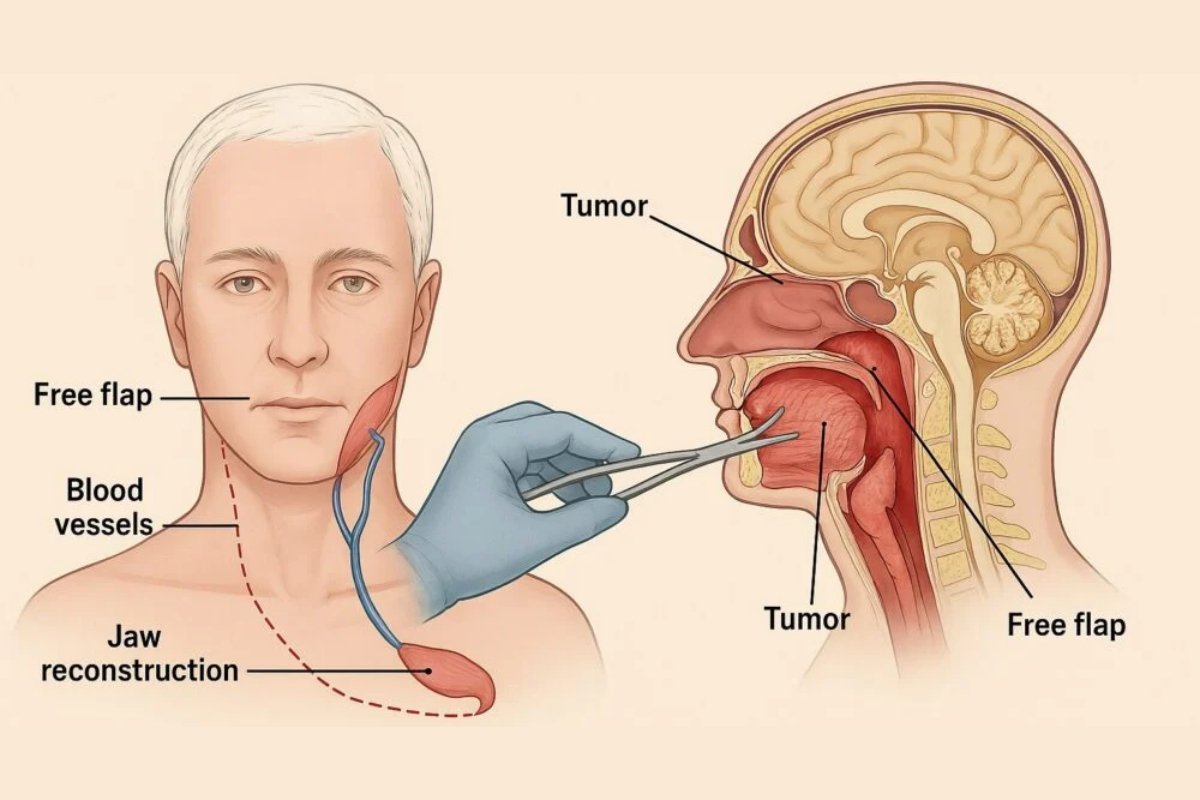
Dr. Sanmit Joshi’s clinical practice includes the surgical management of oral cancers, jaw tumours, and conditions affecting the head and neck region. Treatment planning considers the extent of the disease, relevant imaging and investigation findings, surrounding anatomical structures, and the functional implications of surgery. Reconstructive options may also be considered where required.
The surgical approach depends on the location and stage of the tumour, the tissues involved, and the patient’s overall health. Where reconstruction is needed, planning also considers the restoration of important functions such as speech, swallowing, chewing, and facial movement.
Dental Rehabilitation After Oral Cancer Surgery and Radiation
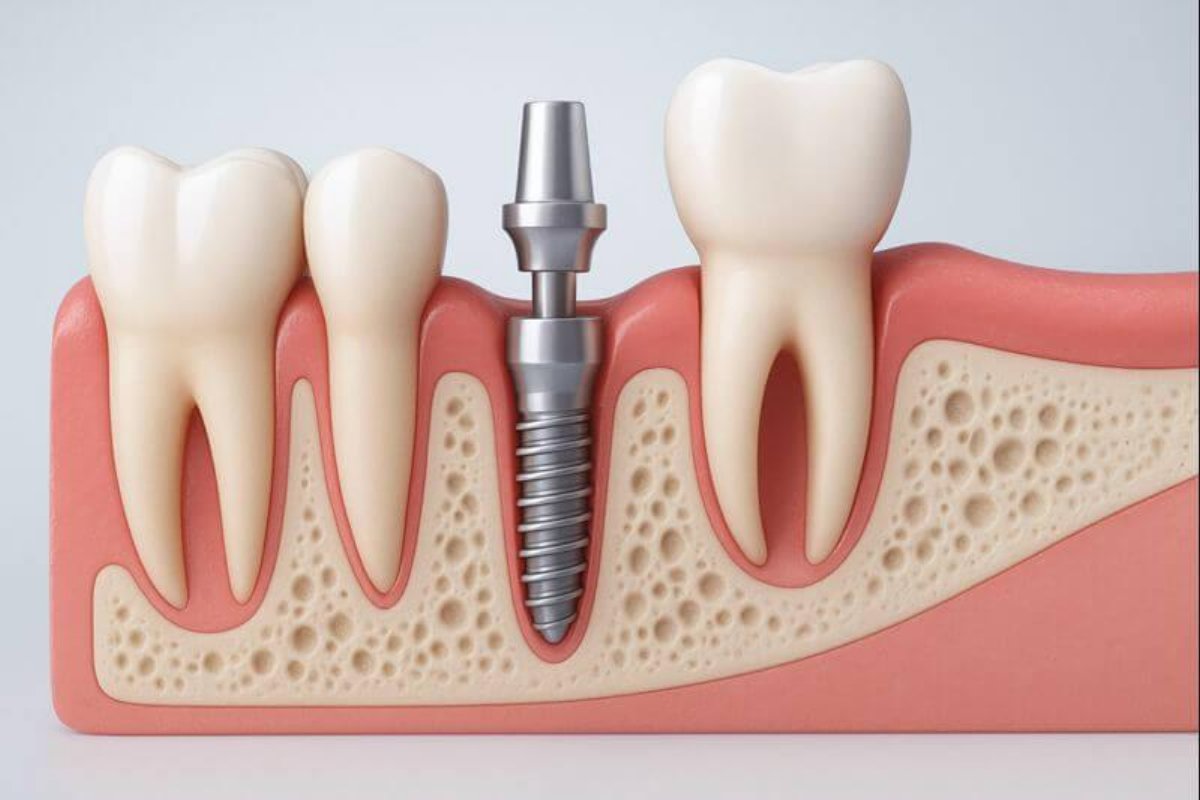
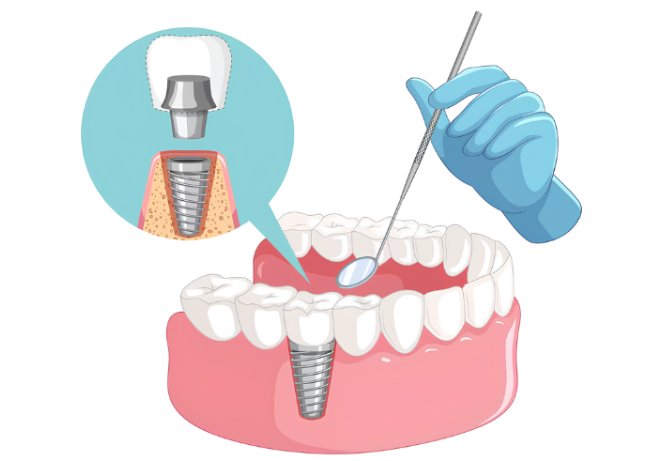
Dental rehabilitation may be required when oral cancer surgery or radiation treatment affects the teeth, jawbone, bite, or oral function. Dr. Joshi has a special clinical interest in dental implant rehabilitation following oral cancer treatment. Assessment considers the condition of the remaining bone and oral tissues, previous reconstruction, radiation history, and suitability for different prosthetic options.
Rehabilitation may involve dental implants, implant-supported prostheses, or other restorative approaches, depending on the clinical findings. The timing and choice of treatment are planned around healing, previous cancer treatment, and the long-term health of the oral tissues.
Comprehensive Maxillofacial Services
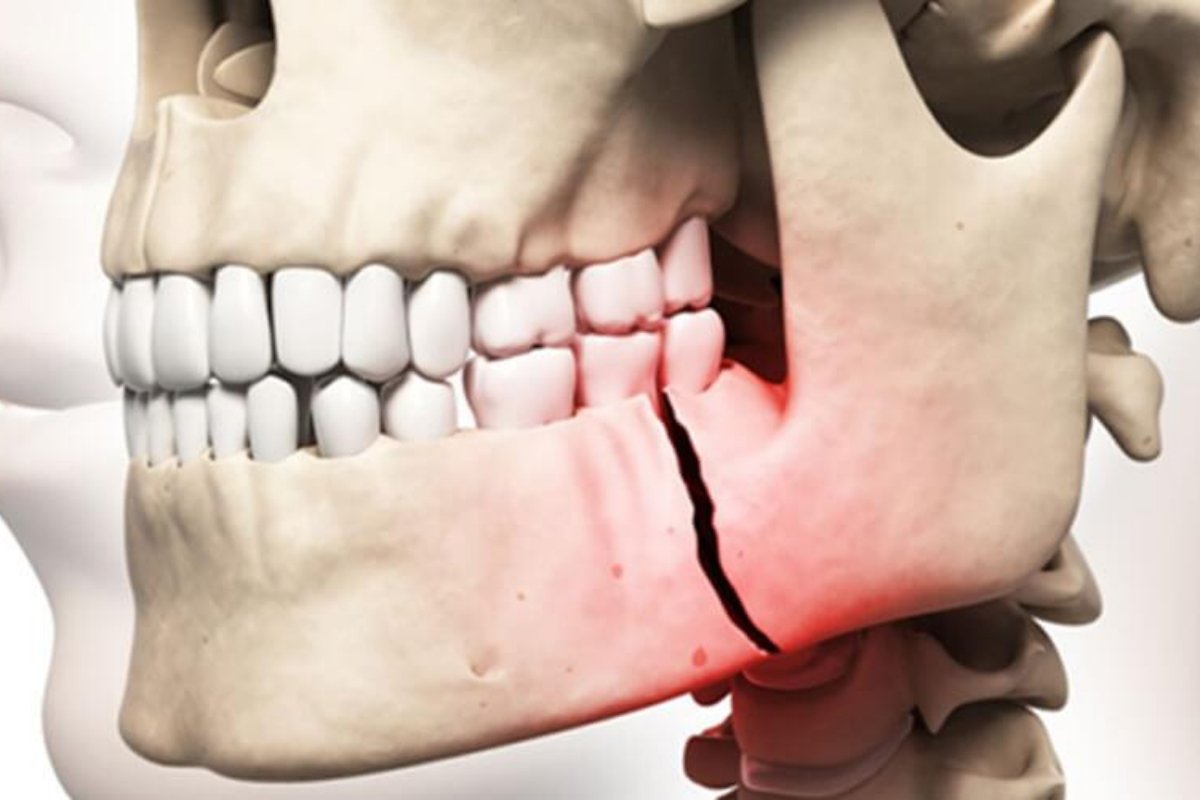
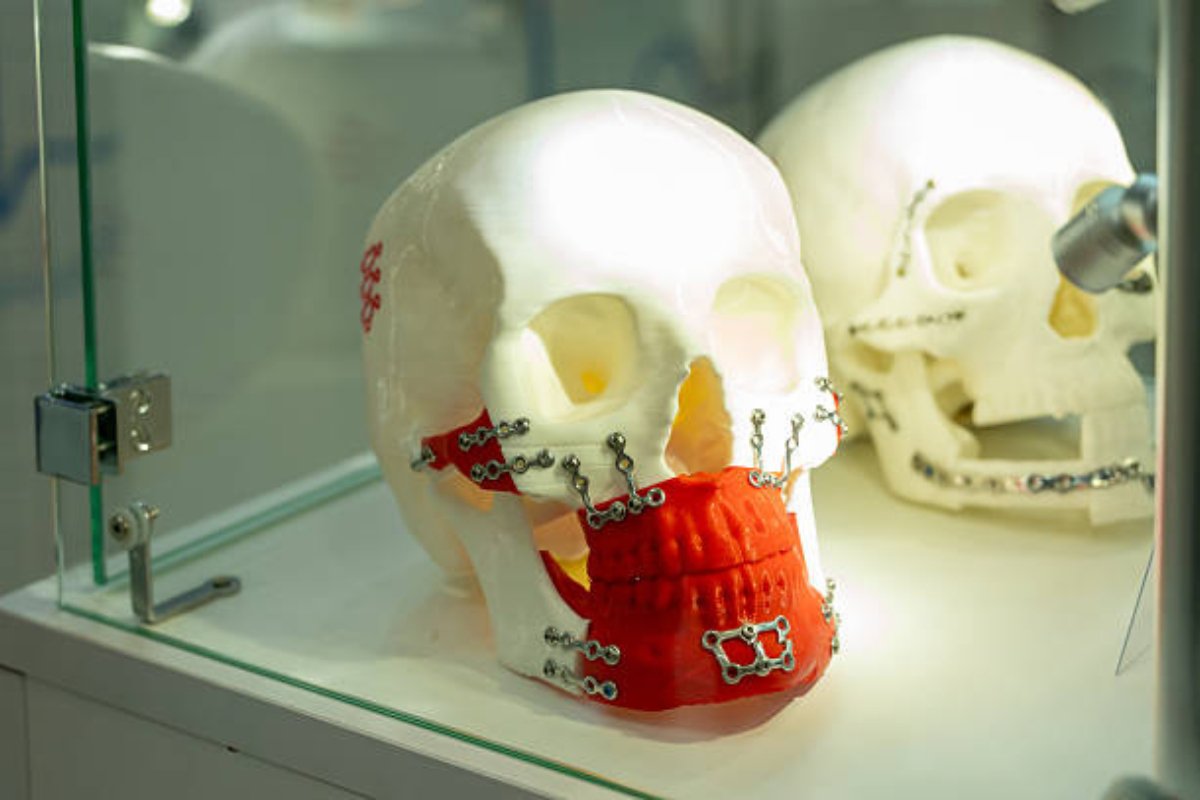
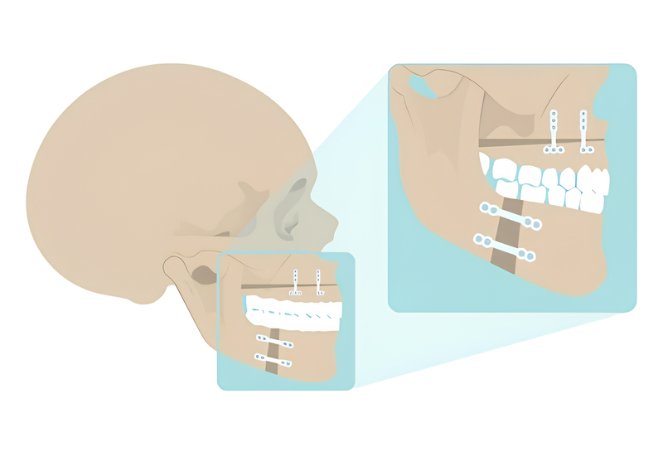
Maxillofacial Trauma & Jaw Reconstruction: Evaluation and surgical management of facial bone fractures and structural defects involving the jaws and facial skeleton.
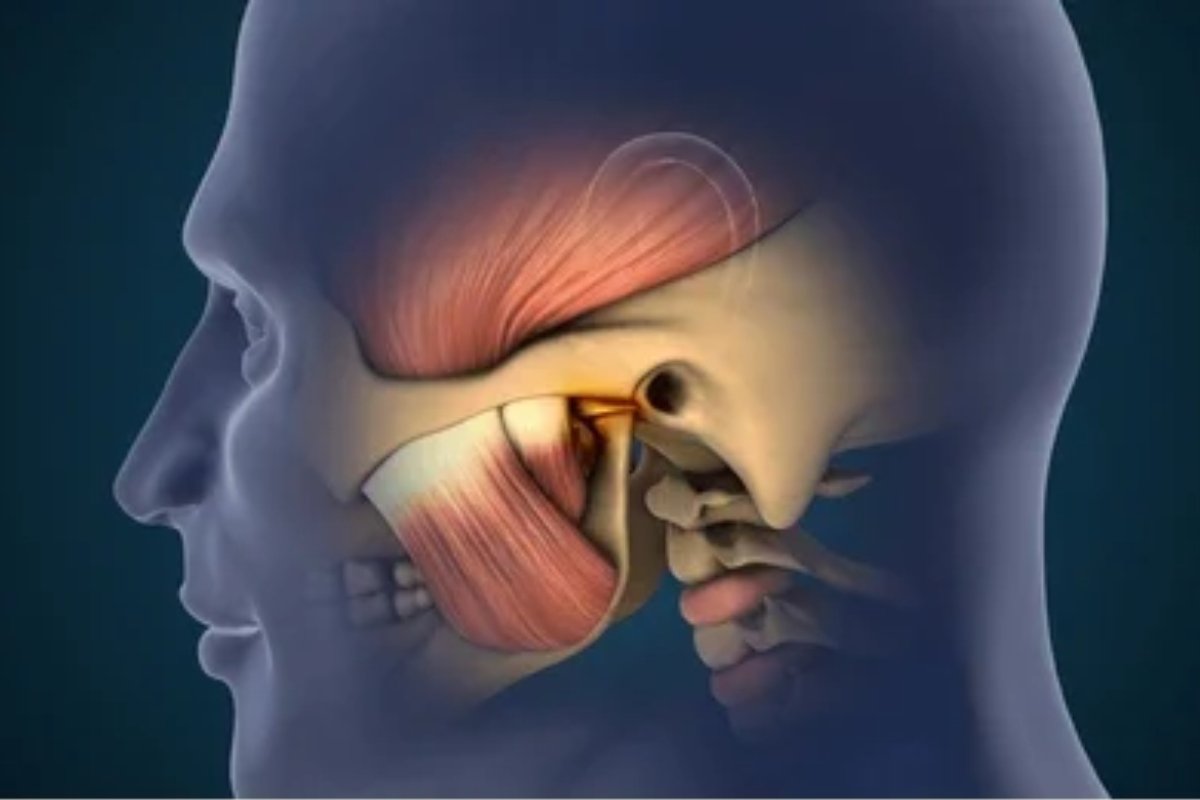
Temporomandibular Disorders (TMD): Assessment of jaw joint conditions associated with pain, restricted movement, and difficulty with normal jaw function.
Multidisciplinary Treatment Planning: Coordination with medical oncologists, radiation oncologists, prosthodontists, and other specialists when a condition requires combined clinical input.
Treatment Planning and Consultation
From Diagnosis to a Clear Surgical Plan
The consultation process involves understanding the patient’s condition, reviewing relevant medical records and investigations, and discussing suitable treatment approaches. For complex cases, decisions may involve input from other specialists to account for the surgical, reconstructive, and functional aspects of care.
01

Clinical Assessment
Review symptoms, medical history, previous treatment, and examination findings.
02

Investigation Review
Assess available scans, biopsy reports, and other tests needed to understand the condition.
03

Treatment Planning
Discuss appropriate surgical and non-surgical options, including their risks and limitations.
04

Follow-Up Planning
Review recovery needs, functional rehabilitation where required, and the recommended follow-up schedule.
Why Dr. Sanmit Joshi?
Recognized as a leading maxillofacial surgeon in Mumbai, Dr. Joshi combines world-class academic pedigree (including specialized training at Tata Memorial Hospital) with a patient-centric, empathetic approach. Whether you require a second opinion following a cancer diagnosis or advanced dental rehabilitation post-radiation, our practice ensures a meticulous, evidence-based roadmap to recovery.
Consult Dr. Sanmit Joshi in Mumbai
Note: Please confirm current clinic schedules and availability prior to your visit.
What Our Patients Say
Posted on Google![]()
Prit SoniTrustindex verifies that the original source of the review is Google.
I recently completed a major dental implant restoration performed by Dr Sanmit Joshi , and the results are truly amazing. From the initial consultation and 3D imaging to the final placement, the expertise of him was evident. He meticulously planned every detail, ensuring my bite and aesthetics were perfect. The healing process went exactly as predicted. I can finally eat comfortably and smile with absolute confidence again. It was worth consulting him. "Highly recommend! The staff is incredibly polite, supportive, and attentive." I and my entire family is filled with heart full of gratitude 🙏 Thank you Thank you Thank youPosted on Google![]()
Leon MendoncaTrustindex verifies that the original source of the review is Google.
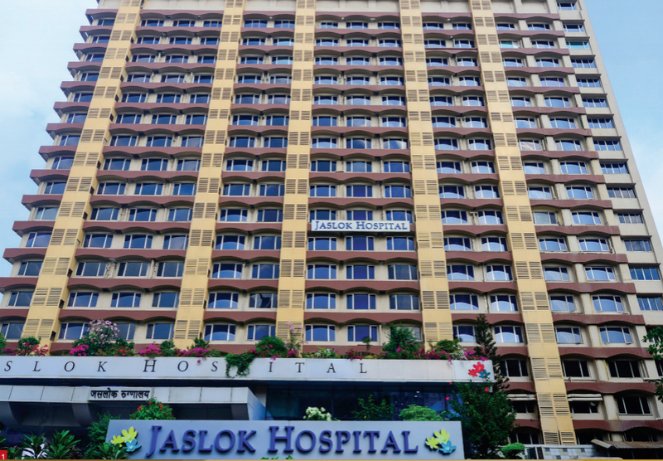
Visited Dr Joshi for the first time at Jaslok Hospital. Right from our first consultation, the surgery and the post surgery consultations, Doctor Joshi was very cool and professional with our case. We were very comfortable and relaxed by the way out case was taken care of.Posted on Google![]()
manohar koliTrustindex verifies that the original source of the review is Google.
दातांसाठी खुप चांगली ट्रीटमेंट मिळाली 100/100 मार्कPosted on Google![]()
siddhesh dhawanTrustindex verifies that the original source of the review is Google.
Good servicePosted on Google![]()
Yashvi ParikhTrustindex verifies that the original source of the review is Google.
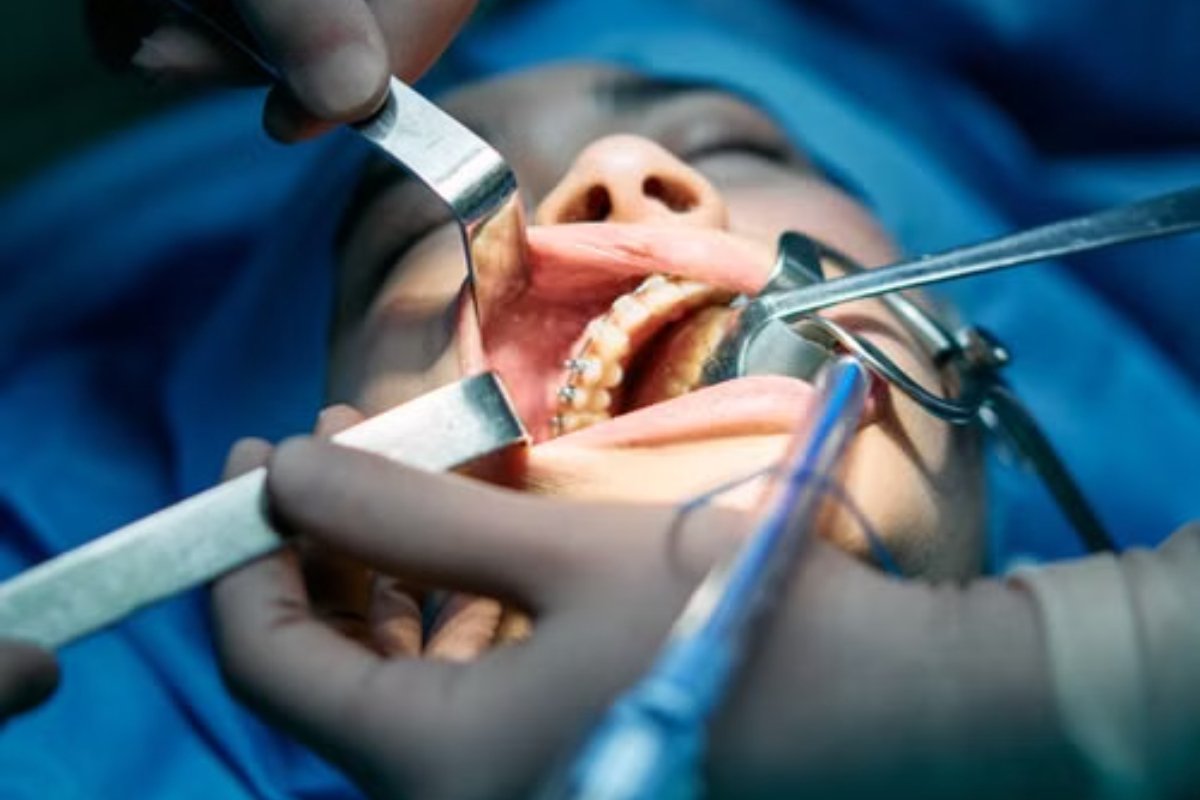
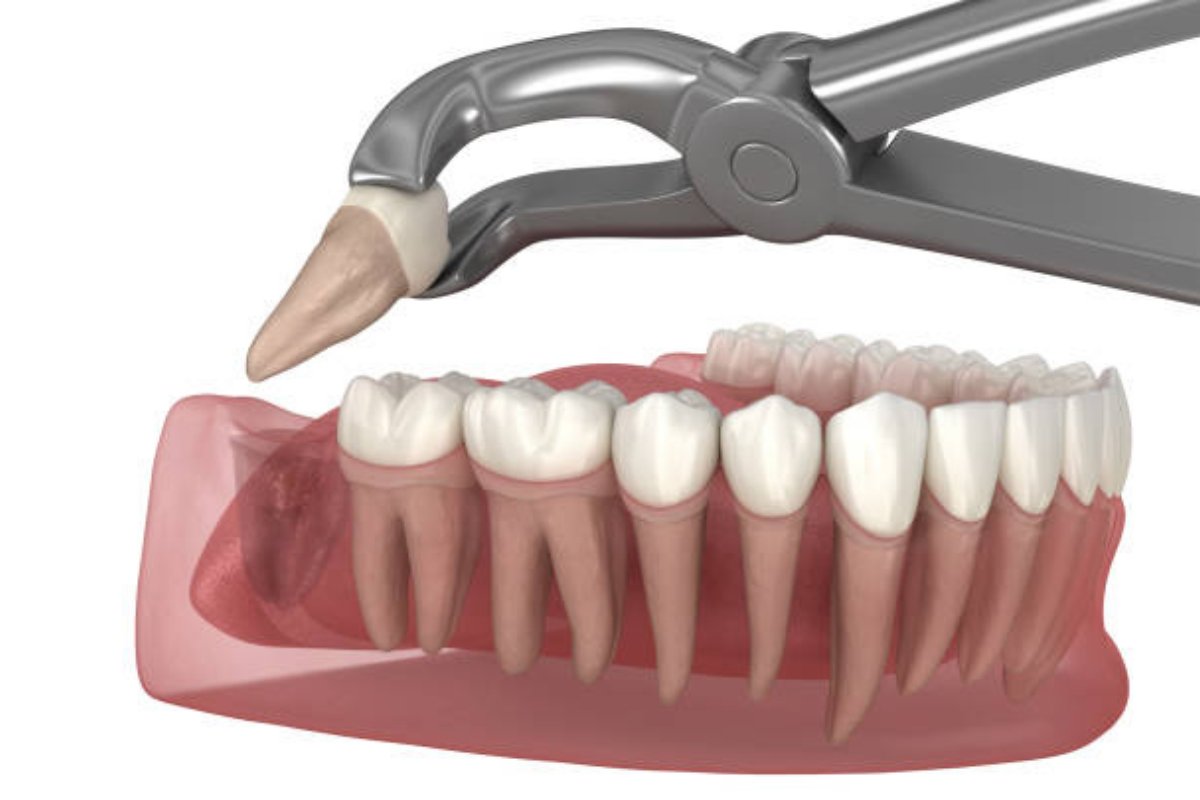
The procedure of wisdom tooth removal went very smoothly and Dr. Sanmit was very patient during the entire process.Posted on Google![]()
Sidharth PatnaikTrustindex verifies that the original source of the review is Google.
Dr. Sanmit is an exceptionally skilled maxillofacial surgeon. Before Dr. Sanmit, I had checked with almost 5-6 other experts and all of them mentioned to do the procedure under general anaesthesia which meant getting admitted in the hospital for a couple of days. However, Dr. Sanmit’s calm demeanour and previous experience with similar procedures convinced me to go ahead with him for an OPD procedure. masterfully extracted my molar, which was pressing against my inferior alveolar nerve, and removed a mucocele from another site in my mouth—all in a single OPD session. Despite the complexity and over 2-hour duration procedure, his calm, precise hands made it seamless. My recovery was remarkably swift; I could fully open my mouth within a week. If anyone is facing similar issues, I would definitely recommend to take a consult with Dr. Sanmit.Posted on Google![]()
Vedant GharatTrustindex verifies that the original source of the review is Google.
Doctor is expertise is absolutely amazing. Hospitality and clinic’s staff is very friendly and helpful gives homely vibe. One stop solution for all dental problemsPosted on Google![]()
dilip tandelTrustindex verifies that the original source of the review is Google.
Dr Sanmit Joshi is extremely knowledgeable about his work. Makes you comfortable while carrying out the procedure👍
Frequently Asked Questions
Can head and neck conditions affect breathing or swallowing?
Yes. Depending on their location and extent, certain conditions can interfere with the passage of air or food. New or progressive breathing or swallowing difficulties should be assessed promptly.
Can jaw misalignment affect more than the appearance of the face?
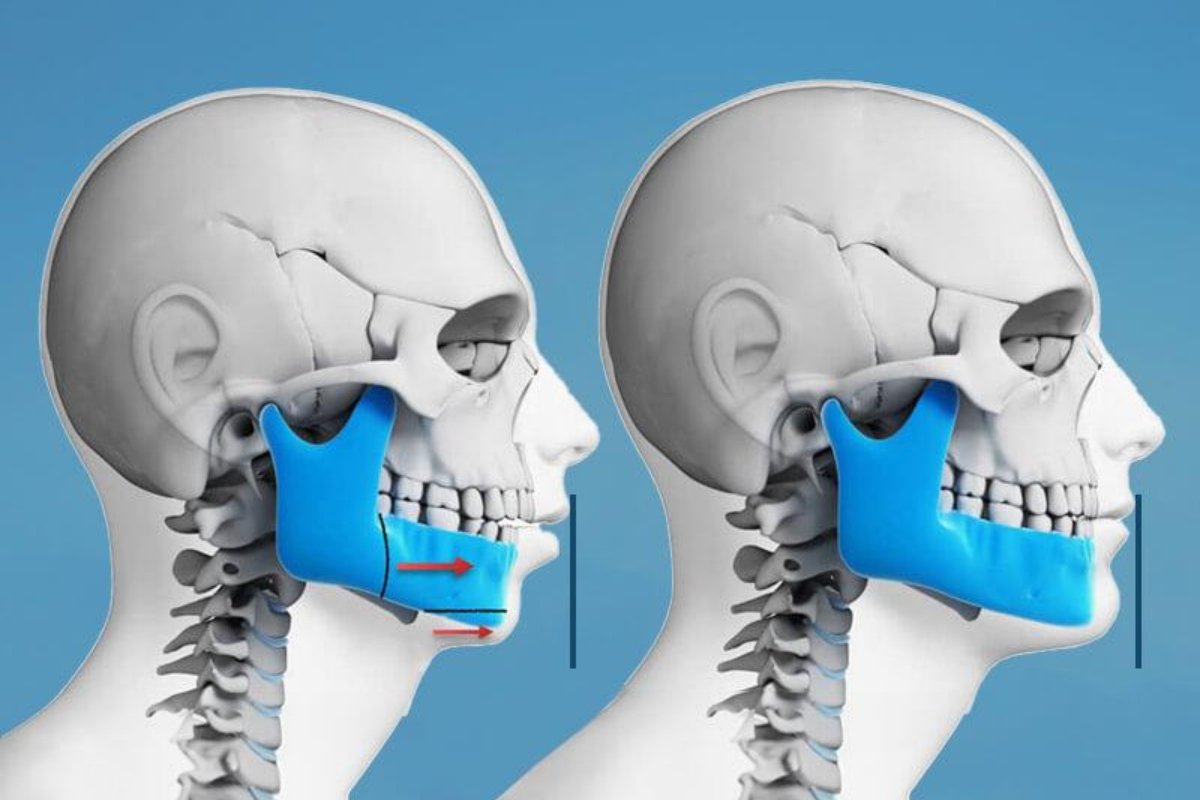
Yes. Significant jaw discrepancies may affect the bite, chewing efficiency, speech, and the relationship between the upper and lower teeth. The effects vary according to the type and severity of the misalignment.
What is the role of pathology testing in oral and maxillofacial conditions?
Pathology testing examines tissue under a microscope to help identify the nature of a lesion. The findings can distinguish different types of conditions and guide decisions about further treatment or monitoring.
How important is long-term follow-up after head and neck surgery?
Follow-up helps monitor healing, assess functional recovery, review pathology findings, and identify complications or recurrence when relevant. The frequency and duration of appointments depend on the condition and treatment performed.
What is the difference between a benign and a malignant tumour?
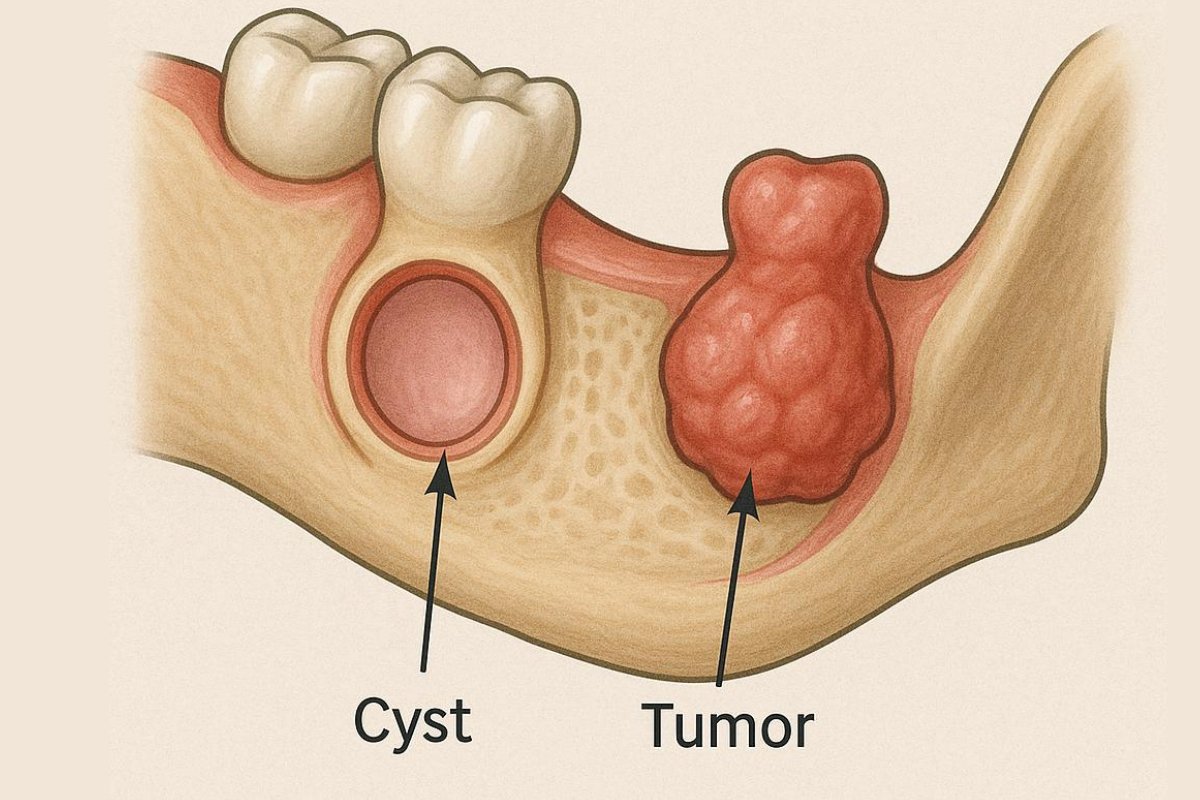
A benign tumour is non-cancerous and does not spread to distant parts of the body, although it may still cause problems by pressing on nearby structures. A malignant tumour is cancerous and may invade surrounding tissues or spread elsewhere.
Why might a head and neck tumour require reconstruction after removal?
Removing a tumour may leave a defect involving skin, soft tissue, bone, or structures inside the mouth. Reconstruction may help restore structural support, closure, appearance, or functions such as chewing and swallowing.
Are all facial bone fractures treated with surgery?
No. Some fractures can be managed without an operation, while others require surgical alignment and fixation. The decision depends on factors such as fracture displacement, stability, bite changes, and involvement of important facial structures.
Can treatment affect speech or swallowing temporarily?
Yes. Depending on the procedure and the structures involved, some patients may experience temporary or longer-lasting changes in speech or swallowing. Rehabilitation or specialist support may be recommended when necessary.
Have a Head, Neck, Jaw or Facial Condition That Needs Specialist Assessment?
Understanding the diagnosis and available treatment options is an important first step. Arrange a consultation to review your reports, discuss appropriate next steps, and determine whether surgical treatment or another specialist evaluation is indicated.