
Dental Rehabilitation After Cancer Surgery
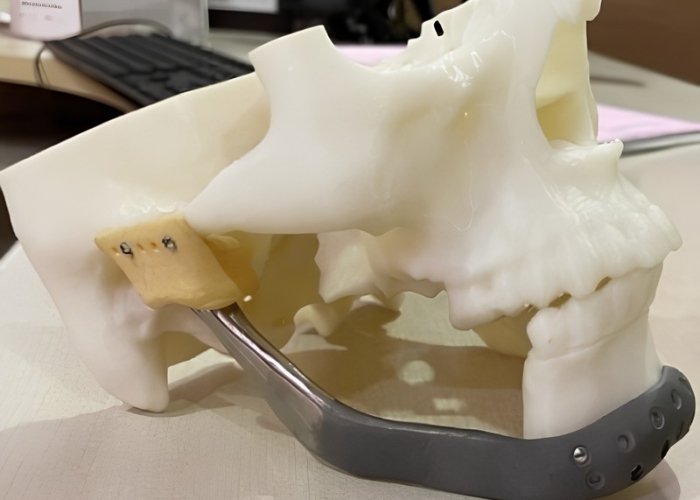
What Is Dental Rehabilitation After Cancer Surgery?
Cancer surgery involving the mouth, jaw, or surrounding structures can affect chewing, speech, swallowing, bite alignment, and the ability to wear dentures. Dental rehabilitation after cancer surgery focuses on assessing and managing these changes to help restore oral function and support long-term oral health.
The rehabilitation plan depends on the type and extent of surgery, the condition of the remaining teeth and jawbone, any reconstruction performed, and the effects of radiotherapy or other cancer treatments. Depending on individual needs, it may involve preventive dental care, replacement of missing teeth, specialised oral prostheses, or implant-supported restorations. Planning may begin before cancer surgery and continue in stages as healing progresses, with the aim of addressing functional needs while accounting for the patient’s ongoing cancer care.
When Dental Rehabilitation May Be Needed
The need for rehabilitation varies with the location and extent of surgery. It may be considered when cancer treatment affects the structures responsible for oral function.
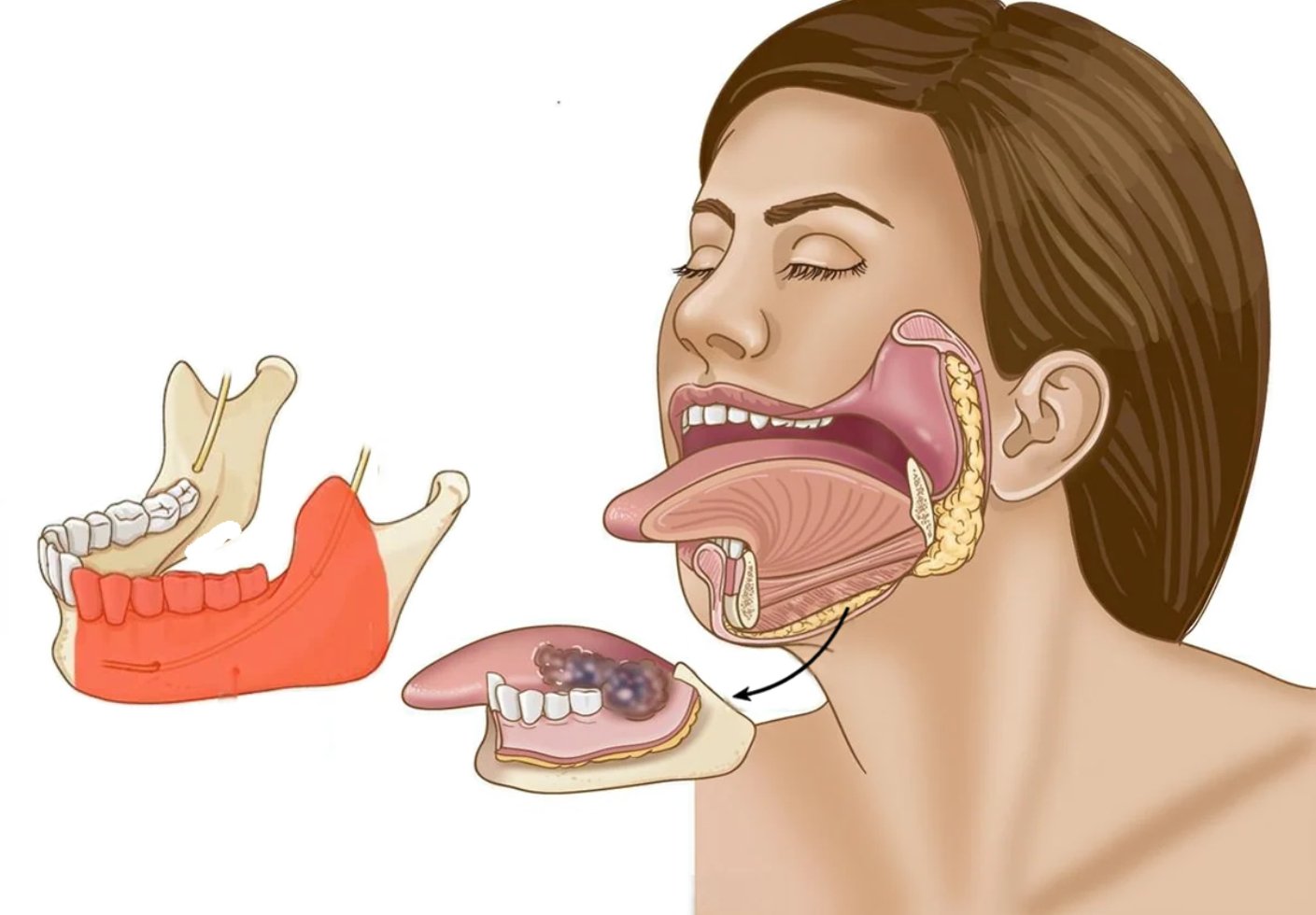
After Jaw Resection
Removal of part of the upper or lower jaw may change the bite, chewing ability, facial support, or stability of the remaining teeth.
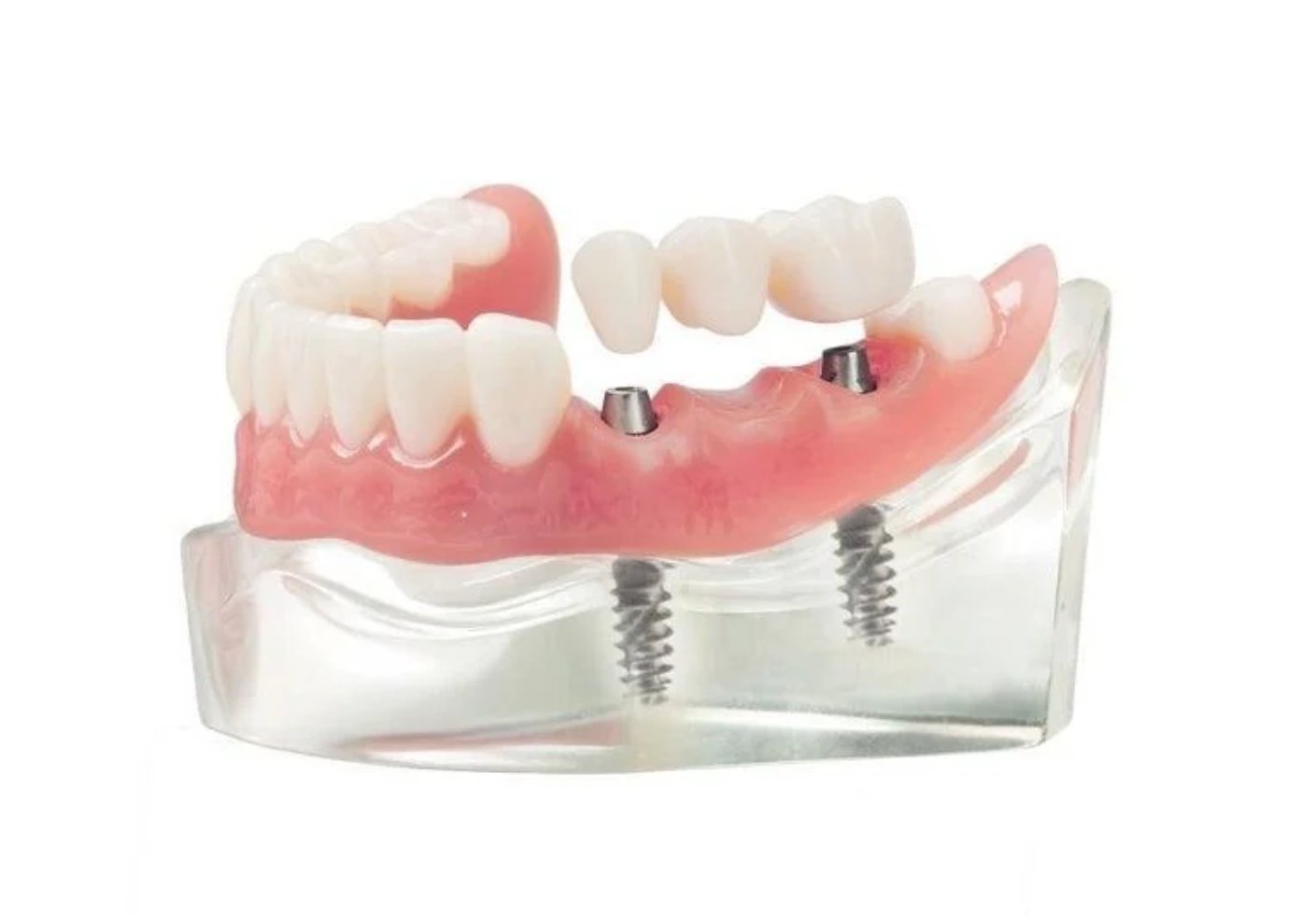
Following Tooth Removal
Teeth removed as part of cancer treatment may need replacement to help restore chewing function and support oral health.

After Surgery Involving the Palate
Defects affecting the roof of the mouth may require a suitable prosthesis to help separate the oral and nasal cavities and improve speech or swallowing, depending on the defect.

After Radiotherapy
Radiation may affect saliva production, oral tissues, and jawbone health. Dental assessment helps plan preventive care and determine suitable rehabilitation options.
Planning Rehabilitation Around Cancer Treatment
Dental rehabilitation is not always a single procedure. It may involve several stages, coordinated with cancer surgery and any additional treatment.
- Oral and Surgical Assessment – The teeth, gums, jaw, bite, oral tissues, and surgical defect are examined. Relevant scans and treatment records help establish the rehabilitation needs.
- Coordination With Cancer Care – Dental procedures are planned around the timing of surgery, reconstruction, radiotherapy, or systemic treatment to avoid unnecessary delays and support safe care.
- Selection of Rehabilitation – Depending on the clinical findings, options may include dental prostheses, dentures, obturators, bridges, or implant-supported restorations.
- Review and Adjustment – The rehabilitation is reviewed over time to assess fit, comfort, oral hygiene, function, and the need for adjustments as healing progresses.
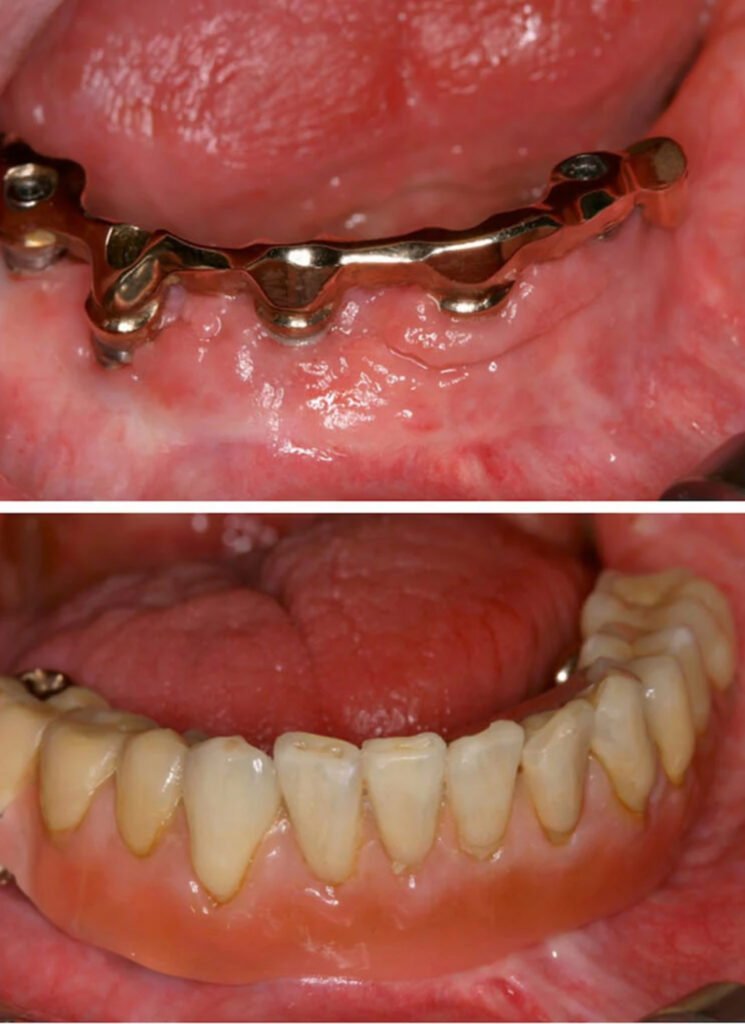
Rehabilitation Options After Oral Cancer Surgery
The most suitable option depends on the type of defect, the remaining oral structures, healing, and the patient’s overall treatment plan.
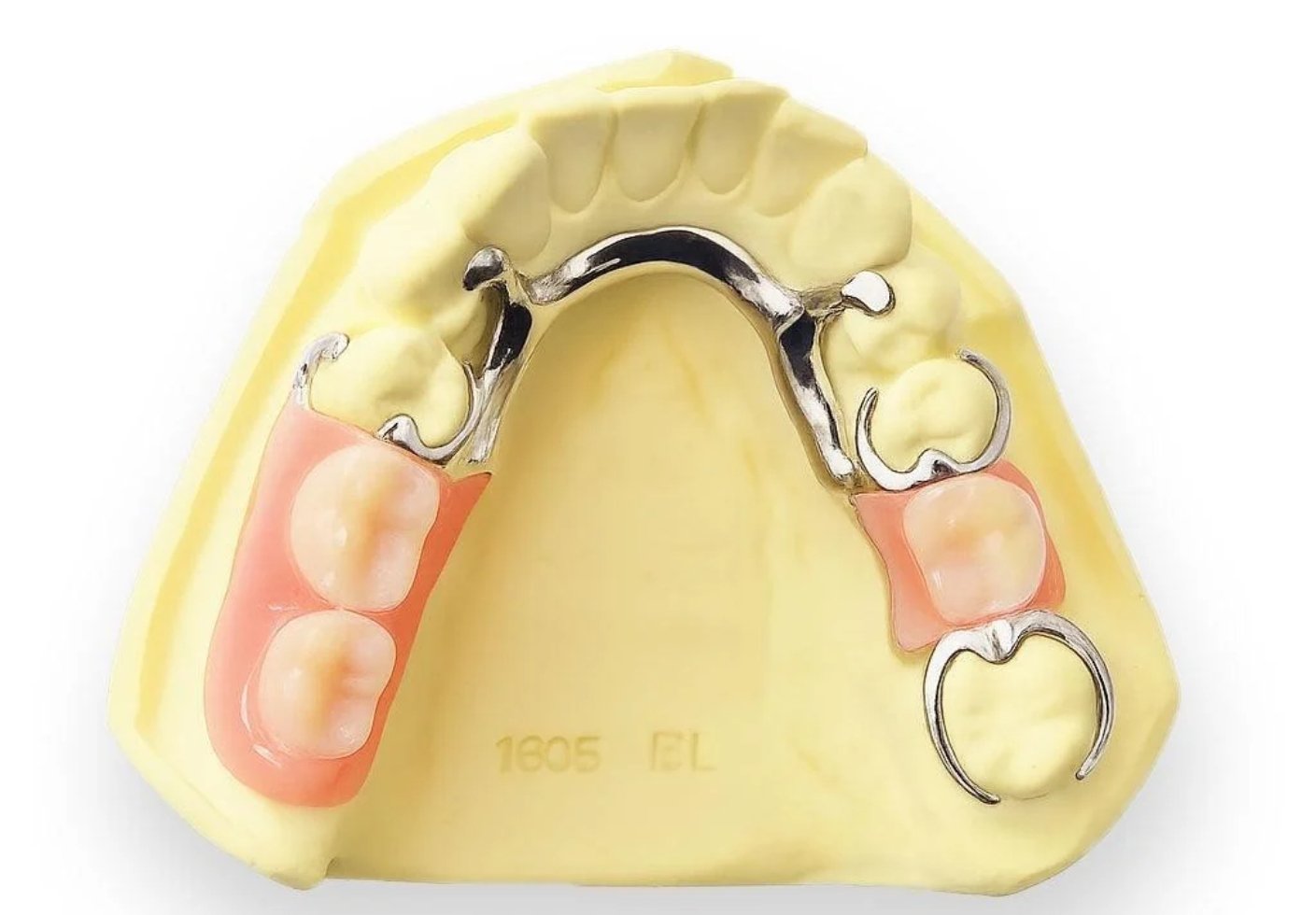
Removable Dental Prostheses
Dentures or partial dentures may replace missing teeth and help restore chewing function when the remaining oral structures can support them.

Maxillofacial Prostheses
Specialised prostheses, including obturators for selected palatal defects, may help restore separation between oral and nasal spaces and improve function.

Implant-Supported Rehabilitation
Dental implants may support fixed or removable restorations in selected patients, depending on bone availability, reconstruction, radiation exposure, and healing.

Restoration of Remaining Teeth
Where appropriate, crowns, bridges, or other restorative procedures may help maintain the function of remaining teeth and improve bite stability.
What Influences the Rehabilitation Plan?
Dental rehabilitation after cancer surgery requires consideration of several clinical factors rather than simply replacing missing teeth.
Extent of surgery
The location and size of the defect influence which prosthetic or restorative options are feasible.
Reconstruction performed
Bone grafts, free-flap reconstruction, and soft-tissue changes can affect the design and support of dental restorations.
Radiotherapy history
Radiation exposure can influence healing and increase the risk of jawbone complications, particularly around dental extractions or implants.
Oral health and bone condition
Gum health, remaining teeth, available bone, saliva production, and oral hygiene affect the choice and maintenance of rehabilitation.
Why Consider Dr. Sanmit Joshi for Post-Cancer Rehabilitation Planning?
A Surgical Perspective on Oral Rehabilitation
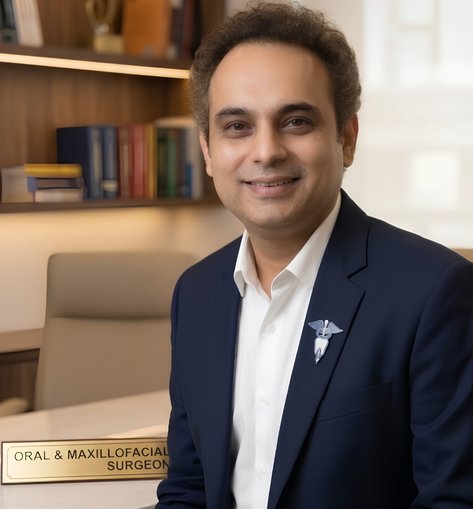
Dr. Sanmit Joshi is an Oral and Maxillofacial Surgeon with fellowship training in Head and Neck Surgical Oncology at Tata Memorial Hospital, Mumbai. His training across oncological surgery and maxillofacial conditions is relevant when rehabilitation planning follows the removal or reconstruction of structures in the mouth, jaw, and face.
- Oncology and Maxillofacial Training: MDS in Oral and Maxillofacial Surgery, followed by fellowship training in Head and Neck Surgical Oncology.
- Assessment of Surgical Defects: Consideration of the affected anatomy, remaining teeth, jaw structure, and reconstruction when planning next steps.
- Functional Priorities: Attention to chewing, bite, oral function, and prosthetic requirements where relevant.
- Coordinated Treatment Planning: Rehabilitation decisions can be discussed in relation to the cancer treatment plan and the need for additional specialist input.
Years of Post-Fellowship Experience
Years in Oral & Maxillofacial Surgery
Advanced Surgical Training Programs
Specialized Areas of Surgical Expertise
Frequently Asked Questions
When should dental rehabilitation be planned after oral cancer surgery?
Planning can begin before surgery when possible, but the timing of actual rehabilitation depends on the operation, healing, reconstruction, and any further cancer treatment. Some patients need temporary solutions first, followed by longer-term rehabilitation.
What is an obturator, and who may need one?
An obturator is a prosthesis used to help close certain defects, commonly involving the palate. It may improve separation between the mouth and nasal cavity and support speech or swallowing in selected patients.
Will rehabilitation restore normal chewing and speech?
Rehabilitation can improve function, but the degree of improvement varies with the extent of surgery, reconstruction, tissue healing, and the type of prosthesis used. Some patients also benefit from speech or swallowing therapy.
Does every patient need dental rehabilitation after cancer surgery?
No. The need depends on whether surgery or other treatment has affected the teeth, jaw, palate, bite, or oral function. Some patients require preventive dental care and monitoring rather than a prosthesis or tooth replacement.
Can dental implants be placed after jaw reconstruction?
Implants may be possible in selected patients after jaw reconstruction. The decision depends on bone quality and position, the type of reconstruction, radiation history, healing, and the proposed restoration.
Is dental rehabilitation possible after radiotherapy?
Yes, rehabilitation may still be possible, but radiation-related changes to the tissues and jawbone must be considered. Dental extractions and implant procedures may carry additional risks in irradiated areas, so planning should involve clinicians familiar with the patient’s cancer treatment history.
What records should I bring to a rehabilitation consultation?
Bring available surgical notes, pathology reports, imaging, details of radiotherapy or other cancer treatment, current medication information, and records of any reconstruction or dental procedures already performed.
How long does dental rehabilitation take?
The timeline varies. Some prostheses can be provided relatively early, while implant-supported rehabilitation may require additional healing, planning, and multiple appointments. Cancer treatment and recovery take priority when determining the schedule.
Plan the Next Stage of Oral Rehabilitation
Rehabilitation planning begins with understanding the changes caused by cancer surgery and identifying which aspects of oral function need attention. Book a Consultation with Dr. Sanmit Joshi
