
Maxillofacial Trauma Surgery in Mumbai

What Is Maxillofacial Trauma Surgery?
Maxillofacial trauma surgery focuses on treating injuries to the bones and soft tissues of the face, jaws, and mouth. These injuries range from facial cuts and dental trauma to complex fractures involving multiple facial bones. The treatment approach depends on the location of the injury, the degree of displacement, and its effect on essential functions such as chewing, speaking, breathing, and vision.
The aim of maxillofacial trauma surgery is to restore the position of fractured bones, maintain a stable bite, and address associated damage while preserving facial symmetry and function wherever possible. Not every facial fracture requires an operation; some can heal with observation and appropriate precautions.
What Types of Facial Injuries Require Treatment?
Facial trauma can affect different bones and structures, and each injury requires an appropriate assessment.
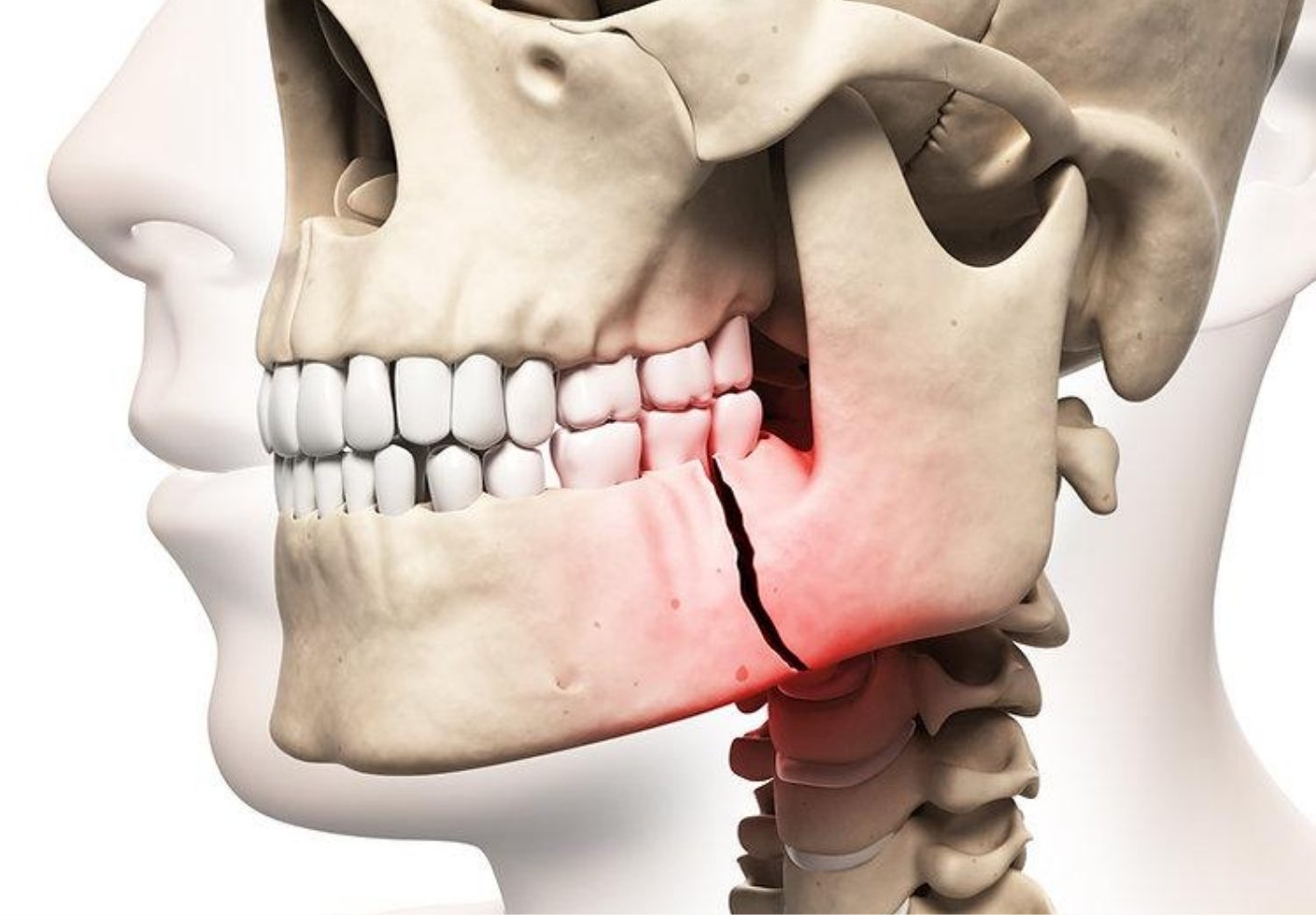
Jawbone Fractures
Injuries to the upper or lower jaw may cause pain, difficulty chewing, changes in bite alignment, or restricted mouth opening.

Cheekbone & Midface Fractures
Fractures involving the cheekbones or central facial bones can affect facial contour, eye position, and jaw function.

Orbital Fractures
Injuries to the bones surrounding the eyes may cause double vision, restricted eye movement, or changes in eye position.

Nasal & Complex Facial Fractures
These injuries may affect facial alignment, nasal breathing, or the structural support of the midface.

Facial Soft-Tissue Injuries
Deep cuts and wounds may require repair and assessment for damage to nerves, salivary ducts, and nearby structures.
When Should You Seek Medical Attention?
Facial injuries should be assessed promptly, particularly after a significant accident or direct impact. Some fractures may not be obvious from external swelling alone.
Seek medical attention if you experience a change in your bite, difficulty opening or closing the mouth, persistent facial swelling, numbness around the cheek or chin, loose teeth, facial deformity, or deep wounds. Double vision or restricted eye movement also requires urgent assessment.
Difficulty breathing, uncontrolled bleeding, loss of consciousness, or sudden changes in vision require emergency medical attention. Life-threatening injuries must be addressed before definitive facial fracture repair.
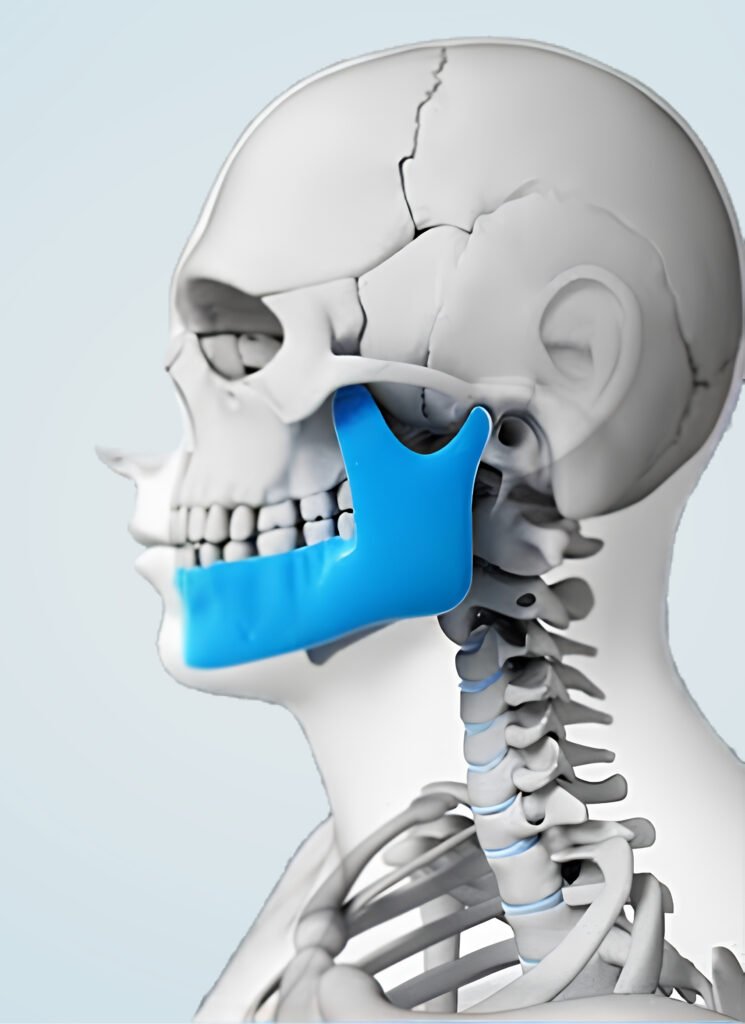
How Is Facial Trauma Diagnosed?
An accurate diagnosis helps determine whether an injury requires observation, fracture stabilization, or surgery. The evaluation generally includes the following steps.
Clinical Examination
The surgeon assesses facial swelling, wounds, jaw movement, bite alignment, facial sensation, and visible changes in facial structure.
Imaging
CT scans are commonly used to evaluate complex facial fractures and understand the position of the fractured bones. Dental X-rays or other imaging may be required for selected injuries.
Functional Assessment
Chewing, mouth opening, dental stability, facial sensation, and eye-related symptoms are evaluated according to the injury.
Treatment Planning
The findings help establish whether conservative management, wound repair, fracture fixation, or reconstructive surgery is appropriate.
Choosing the Right Treatment for Facial Fractures
Not every facial fracture needs surgery. Treatment depends on the fracture’s location, displacement, stability, effect on the bite, and associated injuries.
Observation & Monitoring
Stable fractures without significant displacement
Wound Repair
Cuts and soft-tissue injuries
Dental Stabilization
Selected injuries involving teeth and supporting structures
Closed Fracture Management
Suitable fractures that can be aligned without open surgery
Facial Reconstruction
Complex fractures or significant structural damage

What Happens During Maxillofacial Trauma Surgery?
When surgery is required, the surgeon determines how the fractured bones need to be repositioned and stabilized. Under anaesthesia, the bones are realigned and secured using suitable fixation systems, often small plates and screws.
For jaw fractures, restoring the relationship between the upper and lower teeth is an important part of treatment. For cheekbone, orbital, or midface fractures, surgery aims to restore bone position and address associated functional problems. Severe injuries may require additional soft-tissue repair or reconstructive procedures.
Depending on the fracture location, the surgeon may access the injured area through incisions inside the mouth or through carefully selected external approaches. The surgical method depends on the injury and the structures that need repair.
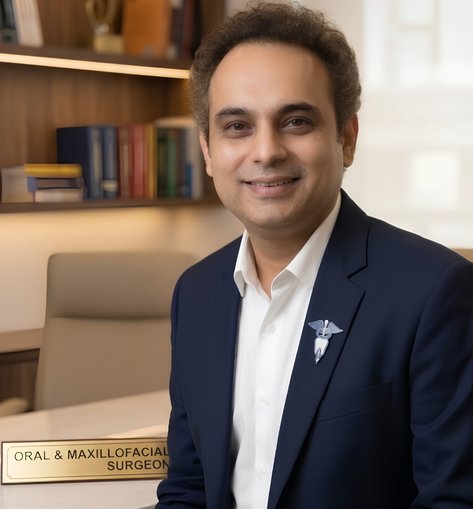
Dr. Sanmit Joshi
Maxillofacial Surgical Expertise for Facial Injuries
Dr. Sanmit Joshi is an Oral & Maxillofacial Surgeon and Head & Neck Oncosurgeon with over a decade of post-fellowship clinical experience. He completed his MDS in Oral & Maxillofacial Surgery and a Fellowship in Head & Neck Surgical Oncology at Tata Memorial Hospital, Mumbai.
His surgical background includes complex procedures involving the jaws, facial structures, oral cavity, and reconstruction. This training is relevant when evaluating facial trauma that affects bone alignment, bite function, or surrounding soft tissues.
Dr. Joshi currently practices at Jaslok Hospital and Research Centre, VED Hospital, Dadar, and Baysmiles Clinic, Kemps Corner, Mumbai.
Years of Post-Fellowship Experience
Years in Oral & Maxillofacial Surgery
Advanced Surgical Training Programs
Specialized Areas of Surgical Expertise
Frequently Asked Questions About Maxillofacial Trauma Surgery
What is maxillofacial trauma surgery?
Maxillofacial trauma surgery treats injuries involving the facial bones, jaws, mouth, and associated soft tissues. It may involve repairing wounds, realigning fractures, or stabilizing damaged bones.
How soon should facial fractures be treated?
Significant facial injuries should be assessed promptly. Once urgent medical issues are stabilized, the treating team determines the timing of fracture repair based on the fracture pattern, swelling, associated injuries, and overall medical condition.
How long does recovery from facial fracture surgery take?
Initial swelling and discomfort generally improve over the first few weeks, while bone healing often takes several weeks. Complex fractures may require a longer recovery and rehabilitation period.
Can old facial fractures be corrected?
In selected cases, previously healed fractures that cause persistent deformity, bite problems, or functional limitations can be corrected through reconstructive surgery. The options depend on how the bones have healed and the extent of the resulting changes.
Do all facial fractures require surgery?
No. Stable fractures without significant displacement or functional problems may be managed with observation and follow-up. Surgery is considered when bone alignment, bite, facial structure, or function needs correction.
How is a broken jaw treated?
Treatment depends on the fracture’s location and severity. Some fractures can be managed without open surgery, while displaced fractures may require repositioning and fixation with plates and screws.
Can facial trauma surgery restore the original appearance of the face?
Surgery aims to restore bone alignment and facial structure as closely as possible. The result depends on the severity of the injury, soft-tissue damage, and whether nerves or other structures were affected.
Will I be able to eat normally after jaw fracture surgery?
Eating may be restricted initially. Depending on the fracture and fixation method, a liquid or soft diet may be advised before gradually returning to normal foods as healing progresses.
Get an Evaluation for Maxillofacial Trauma
Facial fractures and jaw injuries require careful assessment to determine whether they need observation, stabilization, or surgical repair. Consult Dr. Sanmit Joshi for Maxillofacial Trauma Surgery in Mumbai.
