
Minimally Invasive Commando Surgery in Mumbai

What Is Minimally Invasive Commando Surgery?
Commando surgery is a form of composite resection for selected oral cancers. It may involve removing the primary tumour, a portion of the mandible when affected or closely involved, surrounding soft tissue, and lymph nodes in the neck. The exact components depend on tumour location and spread.
When feasible, less invasive access techniques may be considered to reduce disruption to surrounding tissues. However, not every Commando procedure can be performed using a minimally invasive approach. The surgical plan must allow adequate tumour removal, appropriate margins, and treatment of the neck when indicated.
What Conditions May Require Commando Surgery?
Commando surgery may be considered for selected oral cavity cancers that involve or extend towards the jawbone and adjacent structures.

Buccal Mucosa Cancer
Treating selected inner-cheek cancers that extend into nearby tissues or the jaw.
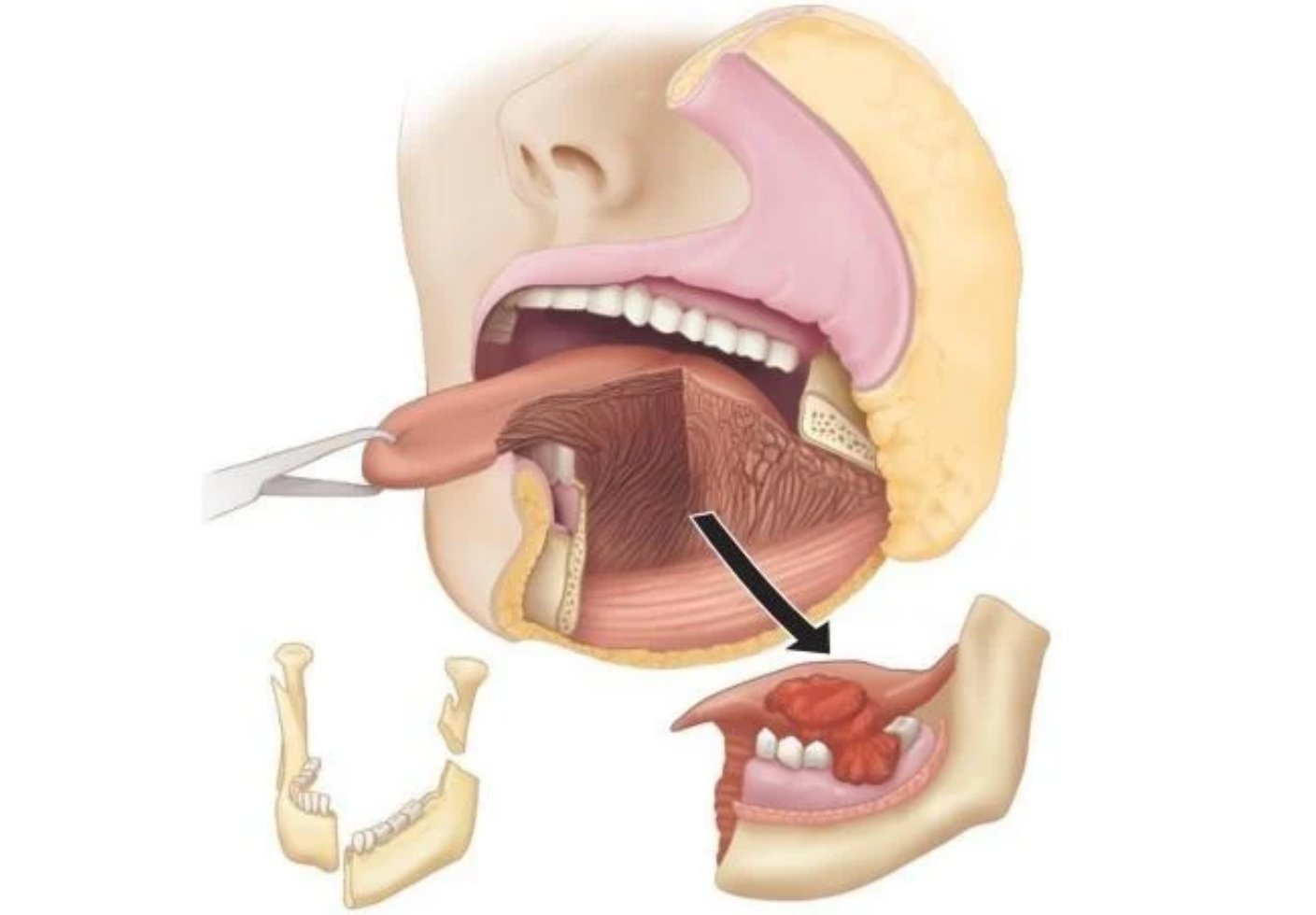
Gum and Jaw Cancer
Removing tumours involving the lower gums or adjacent mandibular bone.
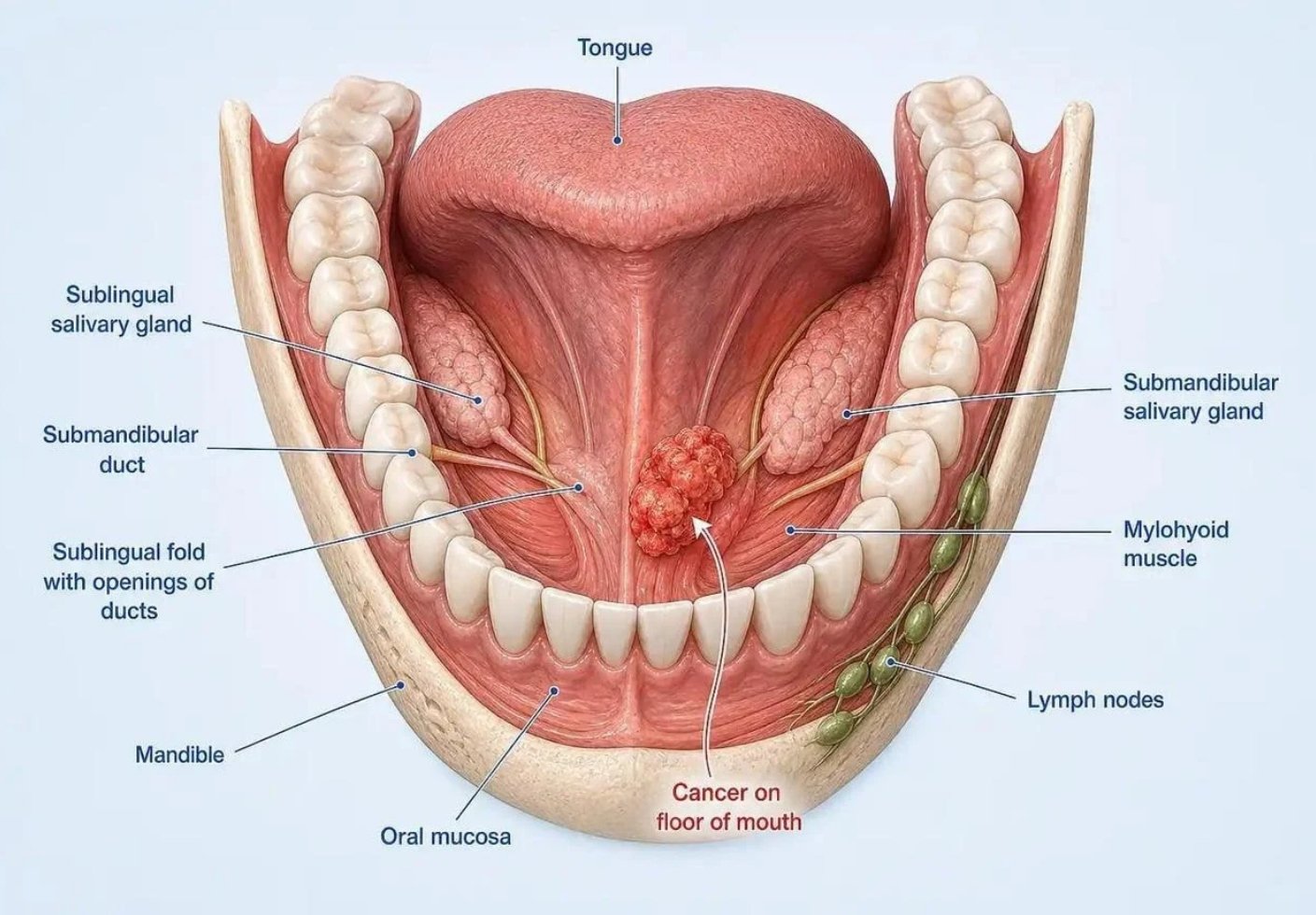
Floor of Mouth Cancer
Managing selected tumours affecting tissues beneath the tongue and nearby structures.

Oral Tongue Cancer
Assessing tumours that extend into adjacent oral tissues and require wider removal.
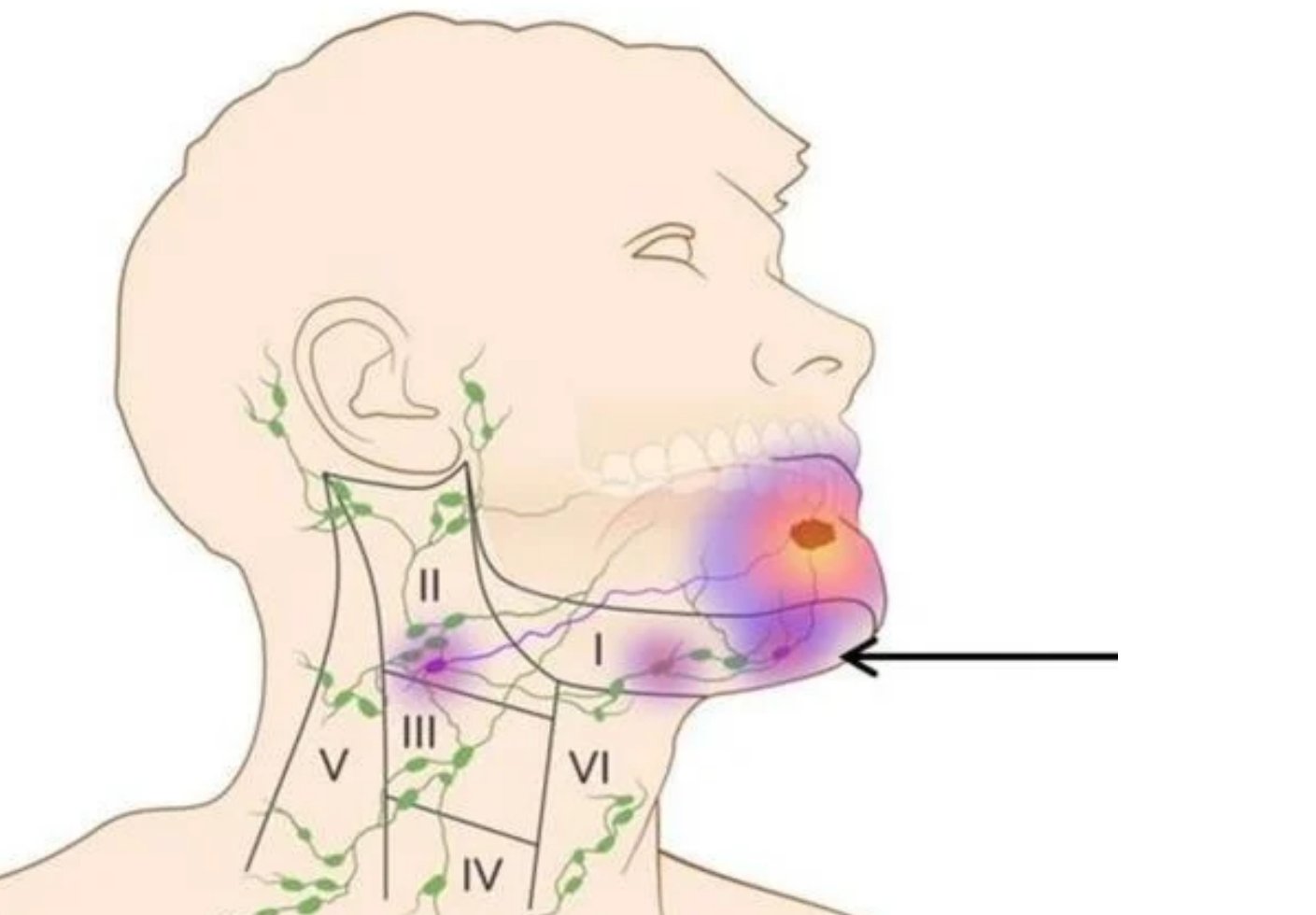
Cancer With Neck Nodes
Planning primary tumour removal and neck lymph node treatment when indicated
When Should You Seek an Oral Cancer Evaluation?
A persistent oral lesion or unexplained change in the mouth should be assessed, particularly if it does not heal or gradually worsens.
Consider a specialist evaluation if you notice:

A mouth ulcer that does not heal.

A persistent red or white patch inside the mouth.

Lump or thickening in the cheek, gum, or tongue.

Difficulty chewing, swallowing, or opening the mouth.

Unexplained bleeding or persistent oral pain.

A lump in the neck or reduced movement of the jaw.

How Is the Need for Commando Surgery Determined?
The assessment establishes the cancer diagnosis, evaluates its local extent, and determines which tissues need to be removed.
Oral Examination
The surgeon assesses the lesion’s location, size, depth, and relationship to the jaw, tongue, and surrounding structures.
Biopsy
A tissue sample is examined to confirm the cancer type.
Imaging Investigations
CT or MRI helps assess the extent of the tumour and possible involvement of the jawbone and nearby tissues.
Neck Evaluation
Clinical examination and imaging assess lymph nodes. Further testing may be recommended when findings are suspicious.
Choosing the Right Surgical Approach
The surgical plan depends on tumour extent, bone involvement, lymph node status, and the need for reconstruction.
Local Tumour Excision
Selected smaller tumours without extensive involvement of adjacent structures
Marginal Mandibulectomy
Removing a portion of the jaw while preserving its lower border when oncologically appropriate
Segmental Mandibulectomy
Removing a full-thickness section of the jaw when required by tumour involvement
Commando Surgery
Composite removal of an oral cancer and involved adjacent tissues, often with neck dissection
Composite Resection With Reconstruction
More extensive defects requiring restoration of bone, soft tissue, or both
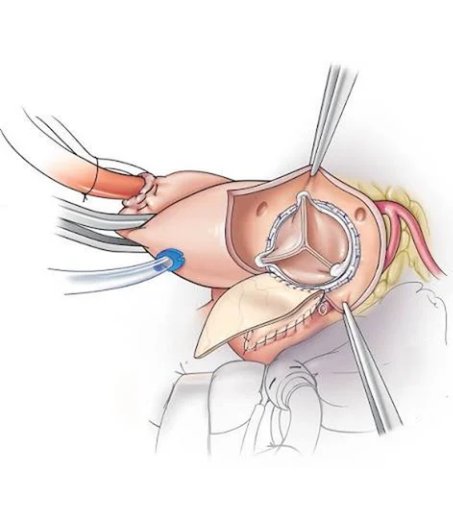
What Happens During Minimally Invasive Commando Surgery?
The procedure is performed under general anaesthesia. The exact steps depend on the tumour’s location, extent, and the planned reconstruction.
- Surgical Mapping: Examination findings and imaging guide the planned removal of the tumour and any involved adjacent tissues.
- Tumour Removal: The primary tumour is removed with an appropriate margin of surrounding tissue. If the jawbone is involved, the necessary portion may also be removed.
- Neck Dissection: Lymph nodes are removed when required by the cancer’s stage and treatment plan.
- Reconstruction: Depending on the resulting defect, the surgical team may use local tissue, a regional flap, bone grafting, or free-flap reconstruction.
- Pathology Review: The specimen is examined to assess surgical margins, lymph node involvement, and other features that help determine whether further treatment is needed.
The operation may be extensive even when a less disruptive access technique is used. Surgical duration and hospital stay vary according to the extent of removal and reconstruction.
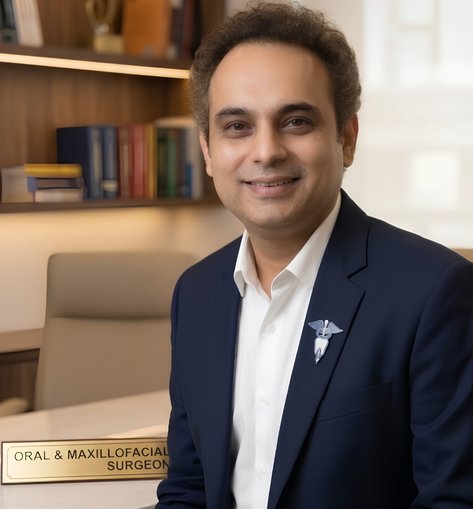
Dr. Sanmit Joshi
Expertise in Oral Cancer Surgery and Maxillofacial Reconstruction
Dr. Sanmit Joshi holds an MDS in Oral & Maxillofacial Surgery and completed a Fellowship in Head & Neck Surgical Oncology at Tata Memorial Hospital, Mumbai. His clinical experience includes complex oncological resections and reconstructive surgery involving the oral cavity, jaws, and head and neck region. Surgical planning considers tumour extent, the structures involved, the need for neck treatment, and the functional requirements following removal.
For advanced oral cancers, the operation may involve several connected tissues and require reconstruction to restore oral function and facial structure. The appropriate approach is determined by the cancer’s extent and the need to achieve adequate margins. Dr. Joshi consults at Jaslok Hospital and Research Centre, VED Hospital in Dadar, and Baysmiles Clinic at Kemps Corner, Mumbai.
Years of Post-Fellowship Experience
Years in Oral & Maxillofacial Surgery
Advanced Surgical Training Programs
Specialized Areas of Surgical Expertise
Frequently Asked Questions About Minimally Invasive Commando Surgery
Is Commando surgery always necessary for oral cancer?
No. Many oral cancers can be treated with less extensive surgery or other treatments. Commando surgery is considered when the tumour’s extent requires removal of multiple connected tissues.
Will I be able to eat normally after surgery?
Eating and swallowing may be affected initially. Recovery depends on the tissues removed and the reconstruction performed, and some patients need dietary modification or rehabilitation.
Will my facial appearance change after Commando surgery?
Changes may occur depending on the extent of tissue and bone removal. Reconstruction aims to restore structure and contour, although the final result varies between patients.
How long does recovery take after Commando surgery?
Recovery can take several weeks to months, particularly when extensive reconstruction is required. Nutrition, speech, swallowing, and jaw rehabilitation may form part of the recovery plan.
Does Commando surgery always involve removing part of the jaw?
No. Jaw removal depends on whether the tumour involves or requires removal of the underlying bone. The amount of bone removed is determined by clinical findings and imaging.
Can the jaw be reconstructed during the same operation?
In selected cases, reconstruction is performed during the same operation. The timing and technique depend on the defect, the patient’s condition, and the overall treatment plan.
Is radiotherapy required after Commando surgery?
Not always. Further treatment may be recommended depending on the tumour stage, surgical margins, lymph node findings, and other features in the pathology report.
What does minimally invasive mean in Commando surgery?
It may refer to techniques that reduce access-related tissue disruption in selected cases. It does not mean that the cancer removal itself will necessarily be small or less extensive.
Take the Next Step Towards Oral Cancer Evaluation
Persistent oral lesions or a confirmed oral cancer diagnosis warrant timely specialist assessment. Consult Dr. Sanmit Joshi for Minimally Invasive Commando in Mumbai.
