
Orthognathic Surgery in Mumbai
What Are Jaw Cysts and Benign Tumours?
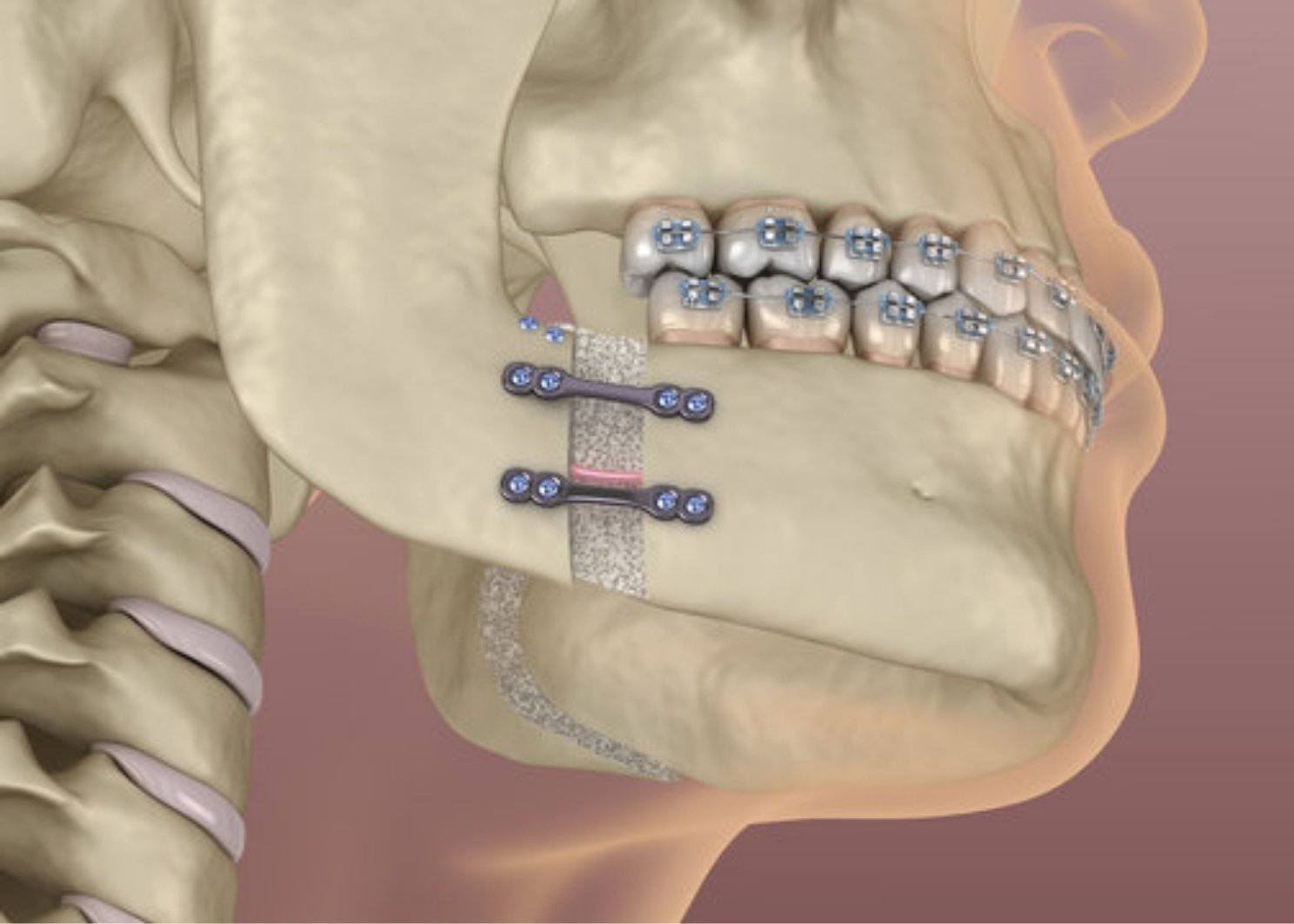
Orthognathic surgery is a procedure that corrects the position of the upper jaw, lower jaw, or both when their alignment causes significant functional or structural problems. It may be recommended for people with an underbite, overbite caused by jaw position, facial asymmetry, or difficulty chewing because the jaws do not meet properly.
Unlike orthodontic treatment alone, which moves teeth, jaw correction surgery repositions the underlying bones. It is often planned in coordination with an orthodontist, who helps align the teeth before and sometimes after surgery. The aim is to improve the relationship between the jaws, create a more stable bite, and support facial balance.
What Problems Can Jaw Correction Surgery Address?
Orthognathic surgery may be considered when differences in jaw position affect bite function, facial proportions, or other aspects of oral health.

Underbite
The lower teeth and jaw extend in front of the upper teeth due to a difference in jaw position.

Overbite Related to Jaw Position
The upper and lower jaws are positioned in a way that causes an abnormal bite relationship.
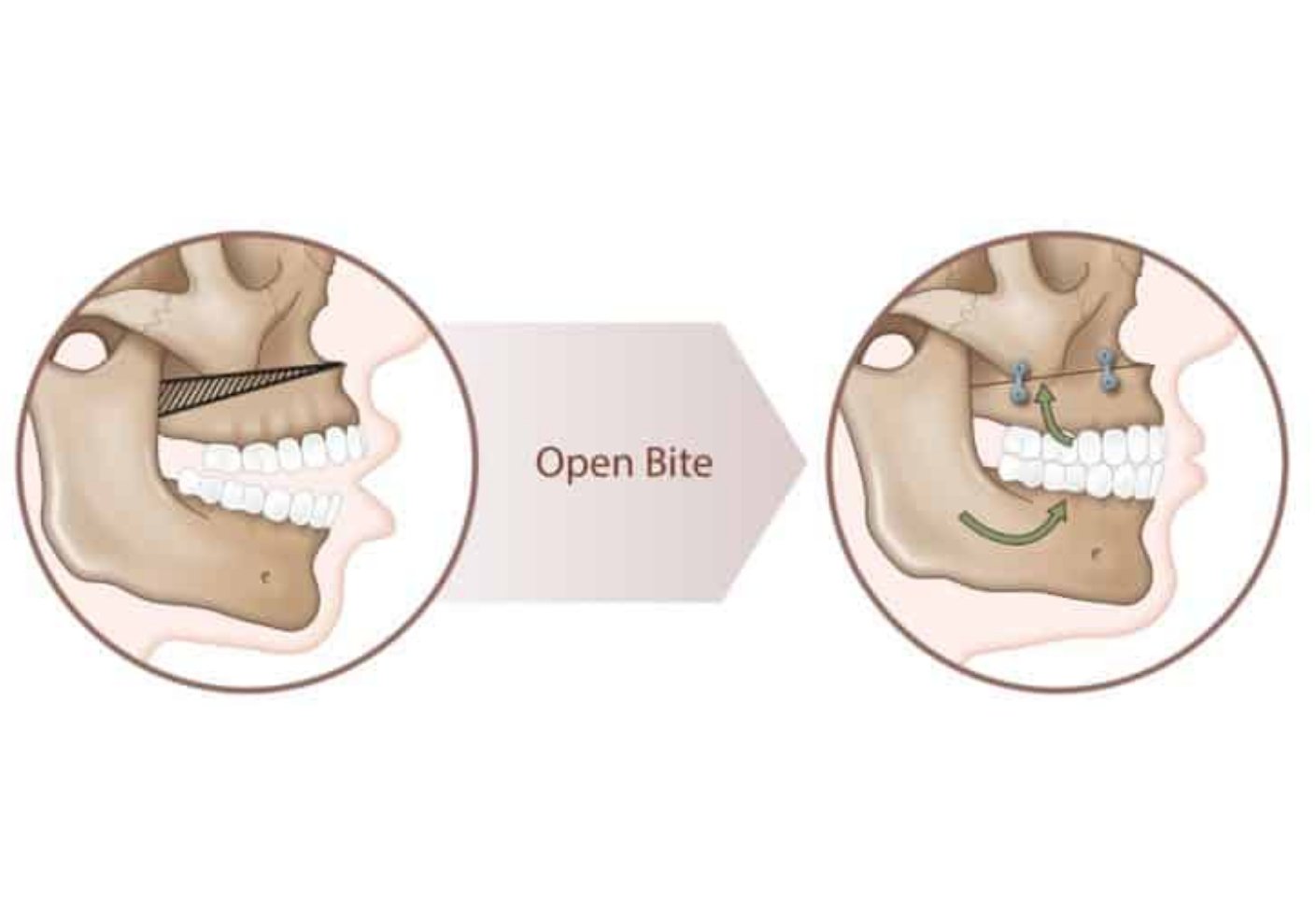
Open Bite
The upper and lower front teeth do not meet when the back teeth are closed together.

Difficulty Chewing
Incorrect jaw alignment may make biting and chewing certain foods difficult.

Jaw Growth Differences
The upper and lower jaws may develop at different rates, affecting facial proportions and bite alignment.
When Should You Consider Orthognathic Surgery?
Jaw correction surgery may be considered when a significant jaw-position problem cannot be adequately corrected with orthodontic treatment alone. A consultation with an Oral & Maxillofacial Surgeon can help establish whether the concern is dental, skeletal, or a combination of both. Consider an evaluation if you experience:
- Difficulty biting or chewing food
- A persistent underbite, open bite, or significant bite discrepancy
- Noticeable facial or jaw asymmetry
- Difficulty closing your lips comfortably due to jaw position
- Uneven tooth contact or excessive tooth wear associated with malocclusion
- Jaw-position problems affecting speech or facial function
- Selected cases of obstructive sleep apnoea associated with jaw structure
The suitability and timing of surgery depend on the severity of the jaw discrepancy, dental development, overall health, and treatment goals. In most cases, corrective jaw surgery is planned after jaw growth is complete.
How Is Jaw Alignment Evaluated?
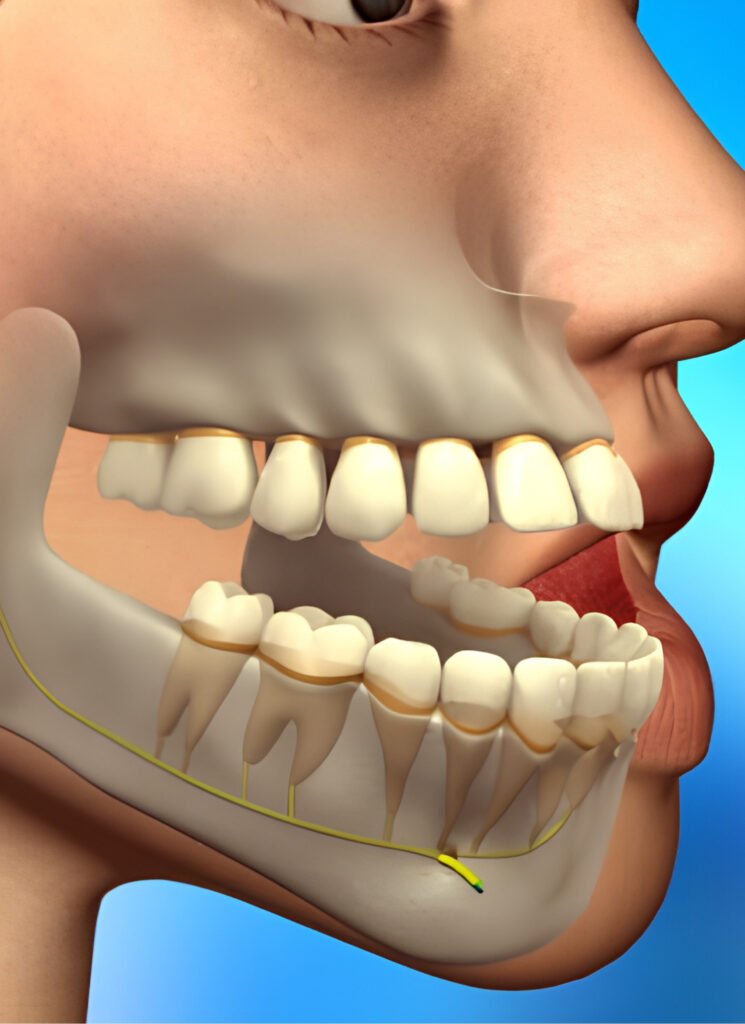
A detailed evaluation helps determine which jaw needs correction, how much movement may be required, and whether orthodontic treatment is also necessary.
Clinical Examination
The surgeon assesses facial proportions, jaw movement, bite alignment, dental relationships, and any functional difficulties.
Imaging and Measurements
Facial X-rays, dental imaging, photographs, and three-dimensional imaging when indicated help assess the position of the jaws and surrounding structures.
Bite and Dental Assessment
The relationship between the upper and lower teeth is evaluated to distinguish dental misalignment from an underlying skeletal discrepancy.
Treatment Planning
The findings are used to determine whether upper jaw surgery, lower jaw surgery, correction of both jaws, or a non-surgical approach is appropriate.
Choosing the Right Jaw Correction Procedure
The type of orthognathic surgery depends on the location and severity of the jaw discrepancy. Some patients require correction of one jaw, while others need surgery involving both jaws.
Le Fort I Osteotomy
Repositions the upper jaw
Bilateral Sagittal Split Osteotomy (BSSO)
Advances or moves back the lower jaw
Bimaxillary Surgery
Corrects the position of both jaws
Genioplasty
Changes chin position or projection when indicated
Asymmetry Correction
Addresses selected differences in jaw position

What Happens During Orthognathic Surgery?
Orthognathic surgery is performed under general anaesthesia. The surgeon makes incisions, usually inside the mouth, to access the jawbones. The planned bone cuts allow the affected jaw to be repositioned into the intended alignment.
Once the jaw has been moved, small plates and screws are generally used to stabilize the bone during healing. If both jaws require correction, the upper and lower jaw procedures are coordinated to achieve the planned bite relationship and facial balance.
Orthognathic surgery is usually part of a broader treatment plan involving orthodontics. Depending on the case, braces or other orthodontic appliances may be needed before surgery to prepare the teeth and afterward to refine the bite. The exact sequence is established jointly by the surgical and orthodontic teams.
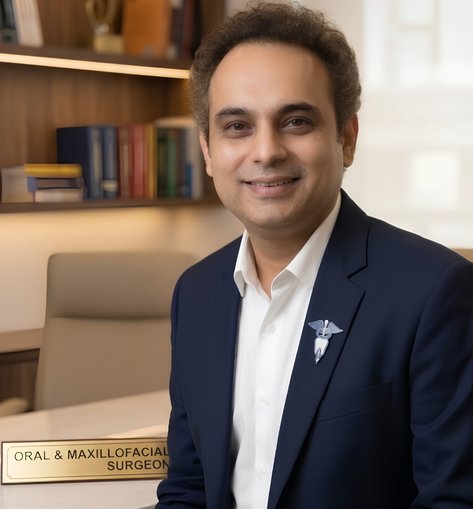
Dr. Sanmit Joshi
Jaw Correction Through Oral & Maxillofacial Surgical Expertise
Dr. Sanmit Joshi is an Oral & Maxillofacial Surgeon and Head & Neck Oncosurgeon with over a decade of post-fellowship clinical experience. He completed his MDS in Oral & Maxillofacial Surgery and a Fellowship in Head & Neck Surgical Oncology at Tata Memorial Hospital, Mumbai.
His training covers surgical conditions involving the jaws, facial bones, oral cavity, and surrounding structures. For jaw correction, careful assessment of facial anatomy, bite alignment, and skeletal relationships is essential to determine the appropriate surgical approach.
Dr. Joshi currently practices at Jaslok Hospital and Research Centre, VED Hospital, Dadar, and Baysmiles Clinic, Kemps Corner, Mumbai.
Years of Post-Fellowship Experience
Years in Oral & Maxillofacial Surgery
Advanced Surgical Training Programs
Specialized Areas of Surgical Expertise
Frequently Asked Questions About Orthognathic Surgery
What is the difference between braces and orthognathic surgery?
Braces move teeth into better alignment, while orthognathic surgery repositions the jawbones. When a bite problem is caused by a significant skeletal discrepancy, both treatments may be needed.
How long does recovery from orthognathic surgery take?
Initial recovery generally takes several weeks, although swelling may take longer to settle. Bone healing, functional recovery, and completion of orthodontic treatment may extend over several months.
Will I need braces before jaw correction surgery?
Many patients require orthodontic treatment before surgery to prepare the teeth for the new jaw position. Braces or other orthodontic treatment may also be needed afterward to refine the bite.
At what age can jaw correction surgery be performed?
Corrective jaw surgery is generally planned after jaw growth is complete. The appropriate timing varies according to age, skeletal development, the severity of the discrepancy, and the individual’s clinical needs.
Who is a suitable candidate for jaw correction surgery?
People with significant jaw misalignment affecting their bite, chewing, facial balance, or certain breathing-related conditions may be considered. Suitability depends on clinical examination, imaging, dental assessment, and overall health.
Is orthognathic surgery painful?
The procedure is performed under general anaesthesia. Swelling, discomfort, and jaw stiffness are expected afterward and are managed with prescribed medication and post-operative instructions.
Can jaw correction surgery improve facial appearance?
Yes, repositioning the jaws can change facial proportions and improve certain types of facial asymmetry. The extent of change depends on the original skeletal condition and the planned correction.
Is orthognathic surgery safe?
Like other major operations, it carries risks, including bleeding, infection, changes in sensation, bite-related issues, and the possibility of further treatment. Pre-operative assessment, careful surgical planning, and follow-up help manage these risks.
Take the Next Step Towards Correcting Jaw Misalignment
Persistent bite problems, difficulty chewing, or significant jaw asymmetry may be related to the underlying position of the jawbones. Consult Dr. Sanmit Joshi for Orthognathic (Jaw Correction) Surgery in Mumbai.
