
Microvascular Reconstruction in Mumbai

What Is Microvascular Reconstruction?
Microvascular reconstruction, also called free-flap reconstruction, involves transferring tissue along with its blood vessels from a donor site to the area requiring repair. The surgeon reconnects the vessels using microsurgical techniques to establish blood flow in the transferred tissue.
It is often considered when a defect is too extensive for direct closure or simpler reconstructive methods. The choice of tissue and surgical approach depends on the location, size, and depth of the defect, as well as the patient’s overall health and treatment needs.
What Conditions May Require Microvascular Reconstruction?
Microvascular reconstruction may be considered when surgery or injury leaves a defect that affects the structure or function of the face, mouth, jaws, or neck.
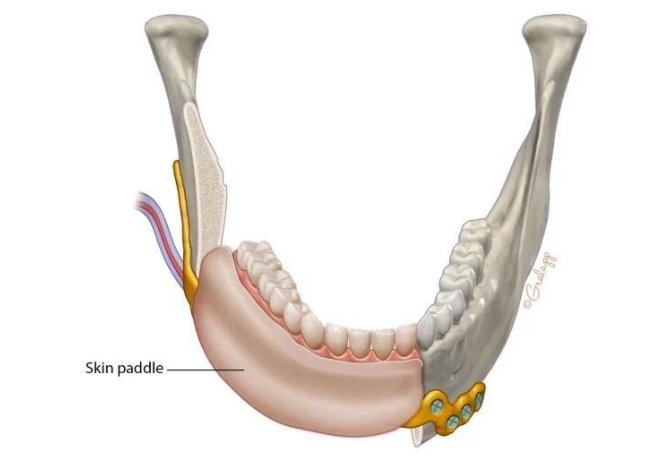
Jaw Reconstruction
Rebuilding portions of the jawbone removed due to cancer, trauma, or severe bone damage.

Oral Cavity Repair
Reconstructing defects involving the tongue, floor of the mouth, or inner cheek after tumour removal.
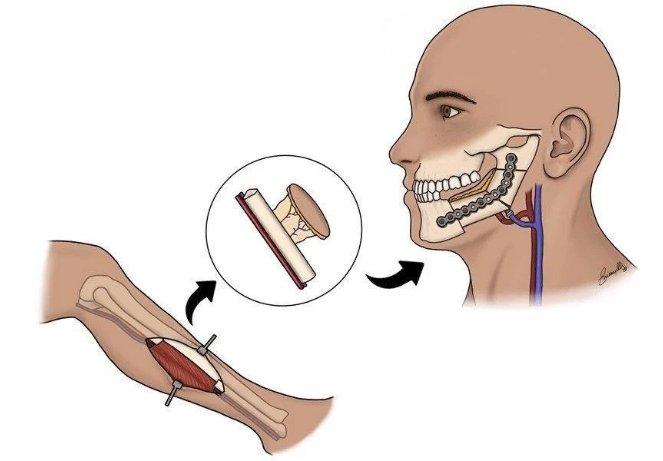
Head and Neck Defects
Replacing missing tissue after extensive cancer surgery or complex injuries.
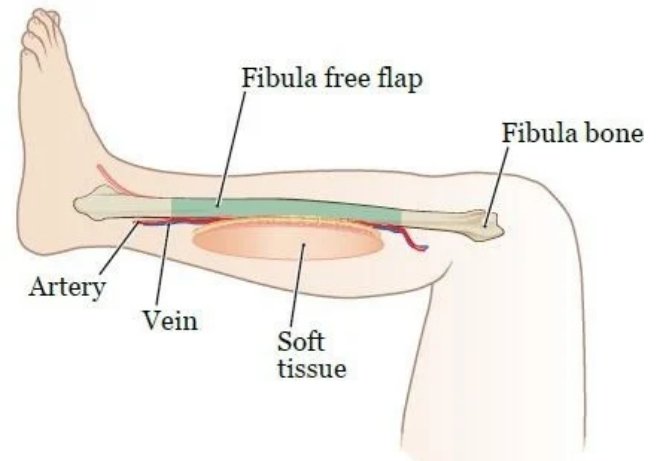
Bone and Tissue Loss
Reconstructing defects that require both structural support and soft-tissue coverage.

Post-Cancer Repair
Restoring tissue after tumour removal when a larger reconstructive procedure is needed.
When Is Microvascular Reconstruction Considered?
Microvascular reconstruction may be recommended when the size, location, or complexity of a defect makes simpler reconstructive methods unsuitable. The decision depends on the tissue that needs replacement and the functional requirements of the affected area.
It may be considered when:
- A large section of the jawbone or oral tissues must be removed during cancer surgery.
- A defect affects speaking, swallowing, chewing, or facial support.
- Local tissue is insufficient to cover exposed bone or other important structures.
- Previous surgery or radiation has affected the available tissue.
- A complex injury has caused substantial loss of bone, skin, or soft tissue.
Not every defect requires microsurgery. Smaller defects may be managed using direct closure, local flaps, or other reconstructive techniques.

How Is Microvascular Reconstruction Planned?
Reconstructive planning identifies the tissue required, assesses suitable donor sites, and evaluates whether the patient can safely undergo a prolonged operation.
Clinical Assessment
The defect, existing tissue damage, oral function, general health, and previous treatments are reviewed.
Imaging Investigations
CT or MRI may help define the defect and surrounding anatomy. Vascular imaging may be required to assess blood vessels or plan a suitable donor site.
Donor Site Evaluation
The surgeon assesses possible donor areas for the required bone, skin, or muscle, including their blood supply and functional implications.
Functional Planning
The reconstruction is planned around goals such as oral closure, speech, swallowing, facial contour, and, where appropriate, future dental rehabilitation.
Which Microvascular Reconstruction Technique May Be Used?
The technique depends on the location and size of the defect, the tissue required, and the patient’s clinical condition.
Free bone flap
Rebuilding a section of the jaw or another bony defect
Free soft-tissue flap
Replacing skin, muscle, or lining tissue in the mouth and head and neck
Composite flap
Reconstructing defects requiring a combination of bone and soft tissue
Alternative flap techniques
Managing selected defects when a free flap is unsuitable or unnecessary

What Happens During Microvascular Reconstruction Surgery?
The procedure is usually performed under general anaesthesia. When reconstruction follows cancer removal, it may take place during the same operation, depending on the surgical plan.
- Defect Preparation: The affected tissue is removed or prepared, and the size and requirements of the defect are confirmed.
- Tissue Transfer: Suitable tissue is taken from the selected donor site along with its supplying blood vessels.
- Microsurgical Connection: The transferred blood vessels are connected to vessels near the reconstruction site using microsurgical techniques.
- Reconstruction and Closure: The tissue is positioned to restore the required structure, and the donor and recipient sites are closed.
- Blood Flow Monitoring: The transferred tissue is closely monitored after surgery to identify problems with circulation as early as possible.
The operation can be lengthy and requires specialised surgical and postoperative monitoring. The duration varies according to the defect and the complexity of reconstruction.
Dr. Sanmit Joshi
Expertise in Head & Neck Oncology and Microvascular Reconstruction
Dr. Sanmit Joshi holds an MDS in Oral & Maxillofacial Surgery and completed a Fellowship in Head & Neck Surgical Oncology at Tata Memorial Hospital, Mumbai. His clinical experience includes complex oncological resections, head and neck surgical assessment, and reconstructive procedures. His approach to reconstruction considers the extent of tissue loss, the structures involved, and the functional requirements of the affected area.
Microvascular reconstruction requires detailed planning around tissue selection, blood supply, defect anatomy, and postoperative monitoring. When reconstruction follows cancer surgery, the plan must also account for tumour removal and any further treatment that may be needed. Dr. Joshi consults at Jaslok Hospital and Research Centre, VED Hospital in Dadar, and Baysmiles Clinic at Kemps Corner, Mumbai.
Years of Post-Fellowship Experience
Years in Oral & Maxillofacial Surgery
Advanced Surgical Training Programs
Specialized Areas of Surgical Expertise
Frequently Asked Questions About Microvascular Reconstruction Surgery
What is microvascular reconstruction surgery?
It is a reconstructive procedure in which tissue is transferred from one part of the body to another, with its blood vessels reconnected under a microscope.
Where does the tissue for reconstruction come from?
The tissue may come from areas such as the leg, forearm, or thigh. The donor site is selected according to the type and amount of tissue required.
How long does microvascular reconstruction surgery take?
The duration varies with the size of the defect, the donor site, and whether tumour removal or other procedures are performed during the same operation.
Does everyone with a head and neck defect need microvascular reconstruction?
No. Smaller defects may be managed using simpler techniques. Microvascular reconstruction is generally considered when more extensive tissue replacement is needed.
Is microvascular reconstruction used after oral cancer surgery?
Yes. It may be used to repair larger defects involving the tongue, floor of the mouth, cheek, jaw, or other head and neck structures after tumour removal.
Can microvascular reconstruction rebuild the jawbone?
Yes. Selected procedures use bone-containing free flaps to restore jaw continuity and provide structural support. The appropriate technique depends on the defect and the patient’s condition.
What are the risks of microvascular reconstruction?
Possible risks include bleeding, infection, wound-healing problems, donor-site complications, and impaired blood flow to the transferred tissue. Some complications may require urgent treatment or further surgery.
How long does recovery take after microvascular reconstruction?
Recovery may take several weeks to months, depending on the procedure, healing progress, and rehabilitation needs. Speech, swallowing, or physical therapy may be required.
Take the Next Step Towards Reconstruction
If you require reconstruction following oral cancer surgery, facial trauma, or significant tissue loss, a specialist assessment can help determine the suitable surgical options. Book a Consultation with Dr. Sanmit Joshi
