
Maxillofacial Reconstruction in Mumbai
What Is Maxillofacial Reconstruction?
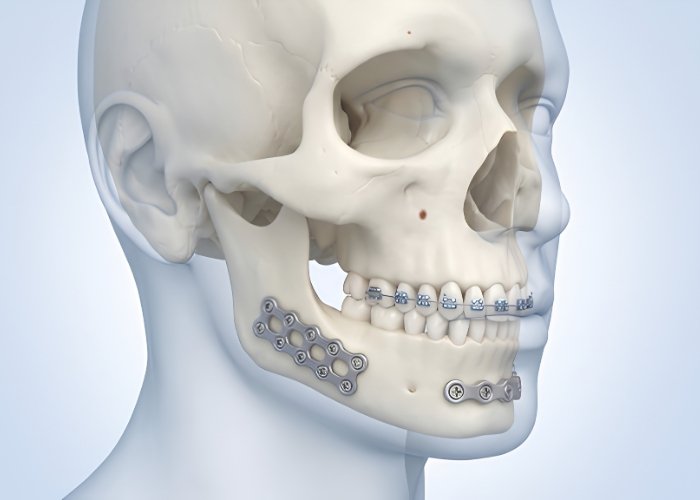
Maxillofacial reconstruction involves restoring the structure and function of the facial bones, jaws, and associated soft tissues following injury, disease, or surgical removal of abnormal tissue. It may be required after facial fractures, removal of oral or jaw tumours, congenital abnormalities, or complications from previous procedures.
The reconstruction may involve repositioning bones, using plates and screws for stabilization, transferring tissue from another part of the body, or rebuilding missing bone. The approach depends on the defect’s location and size, the condition of the surrounding tissues, and the functions that need to be restored. The goal is to improve facial structure, support chewing and speech, and achieve the best feasible functional and aesthetic outcome.
When Is Maxillofacial Reconstruction Needed?
Reconstruction may be considered when damage or tissue loss affects facial symmetry, jaw continuity, oral function, or the support of surrounding structures.
After Facial Trauma
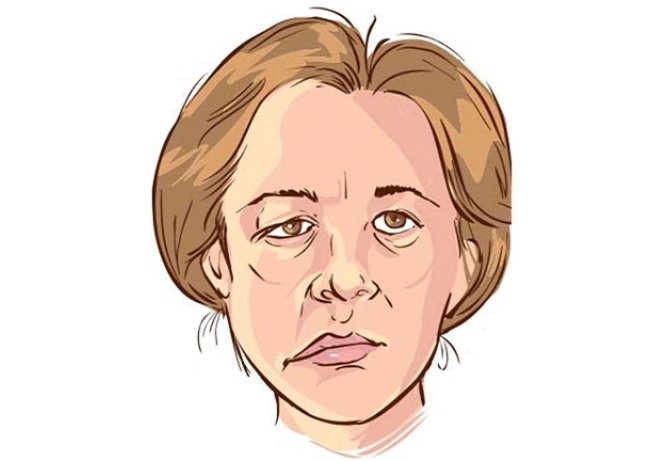
Complex fractures may require reconstruction to restore bone alignment, facial contour, and jaw function.

After Tumour Removal
Surgery for oral, jaw, or head and neck tumours may leave defects involving bone, soft tissue, or both.

Jawbone Defects
Significant bone loss may affect the continuity of the jaw, chewing function, and future dental rehabilitation.
Facial Deformities
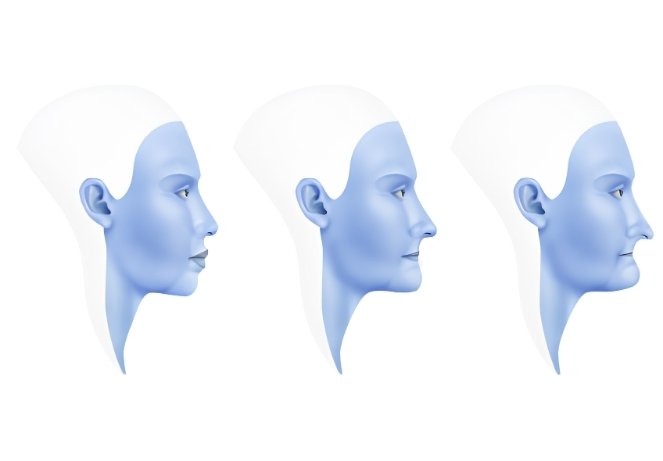
Congenital differences, previous injuries, or earlier surgeries may lead to structural changes that require correction.

Soft-Tissue Defects
Damage to the lining of the mouth, lips, cheeks, or other facial tissues may require tissue repair or reconstruction.
When Should You Consult a Maxillofacial Surgeon?
A specialist evaluation may be appropriate when facial or jaw damage affects everyday function, facial structure, or the stability of the bite. Consider a consultation if you have:

Persistent facial asymmetry after an injury

Difficulty chewing because of jaw damage

Defect in the jawbone after tumour removal

Changes in bite alignment following facial trauma

Poorly healed facial fractures or residual deformity

Difficulty speaking or swallowing due to structural changes
How Is Maxillofacial Reconstruction Planned?
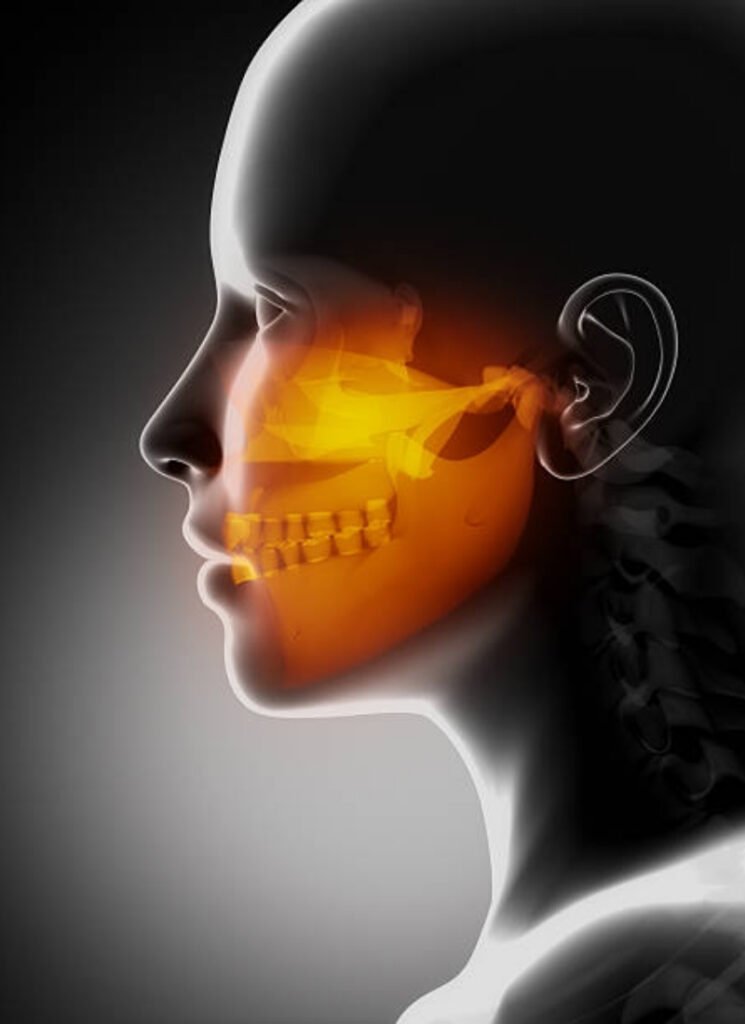
Reconstructive surgery requires a detailed assessment of the defect, surrounding anatomy, and functional requirements.
Clinical Examination
Facial symmetry, jaw movement, bite alignment, oral function, soft-tissue condition, and previous surgical scars are evaluated.
Imaging
CT scans and, where indicated, three-dimensional imaging help assess bone defects, fracture patterns, and the relationship between the affected area and nearby structures.
Defect Assessment
The surgeon determines how much bone or soft tissue is missing and whether the defect affects jaw continuity, oral lining, facial contour, or other functions.
Reconstructive Planning
The findings help establish whether local tissue repair, bone grafting, fixation, tissue transfer, or a combination of techniques is appropriate. Previous cancer treatment, including radiotherapy, may also influence planning.
Choosing the Right Maxillofacial Reconstruction Procedure
The reconstructive technique depends on the location and extent of tissue damage, the condition of the remaining structures, and the function that needs to be restored.
Bone Grafting
Replaces selected areas of missing bone
Plate and Screw Fixation
Stabilizes facial bones or reconstructed segments
Soft-Tissue Reconstruction
Repairs defects involving skin, muscle, or oral lining
Local or Regional Flap Reconstruction
Uses nearby tissue to cover or restore a defect
Jaw Reconstruction
Restores jaw continuity and supports oral function

What Happens During Maxillofacial Reconstruction?
The procedure varies according to the defect being treated. For smaller defects, the surgeon may reposition bone, stabilize it with fixation plates, or use a bone graft to restore the affected area.
For larger defects, tissue may be transferred from another part of the body. In microvascular free-flap reconstruction, the transferred tissue’s blood vessels are connected to vessels in the head and neck using microsurgical techniques. This helps provide a blood supply to the reconstructed area.
When reconstruction follows tumour removal, the surgical plan considers both removal of the disease and restoration of the resulting defect. Depending on the case, reconstruction may be performed during the same operation or at a later stage. Dental rehabilitation, speech therapy, or swallowing rehabilitation may also form part of the recovery plan.
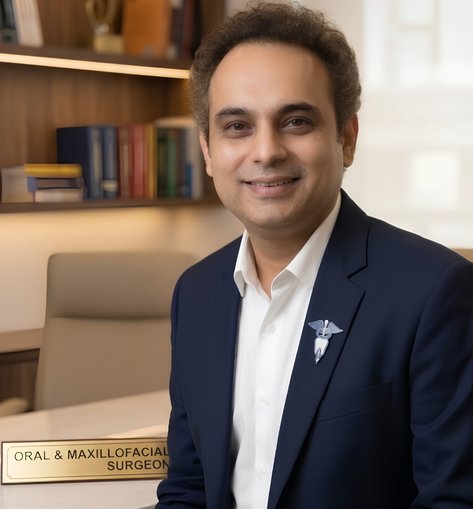
Dr. Sanmit Joshi
Reconstructive Expertise in Oral and Facial Surgery
Dr. Sanmit Joshi is an Oral & Maxillofacial Surgeon and Head & Neck Oncosurgeon with over a decade of post-fellowship clinical experience. He completed his MDS in Oral & Maxillofacial Surgery and a Fellowship in Head & Neck Surgical Oncology at Tata Memorial Hospital, Mumbai.
His surgical background includes complex oncological resections, microvascular reconstruction, and procedures involving the jaws, facial bones, and oral cavity. This training is relevant when reconstruction must address both the removal of diseased tissue and the restoration of facial structure and function.
Dr. Joshi currently practices at Jaslok Hospital and Research Centre, VED Hospital, Dadar, and Baysmiles Clinic, Kemps Corner, Mumbai.
Years of Post-Fellowship Experience
Years in Oral & Maxillofacial Surgery
Advanced Surgical Training Programs
Specialized Areas of Surgical Expertise
Frequently Asked Questions About Maxillofacial Reconstruction
What is the purpose of maxillofacial reconstruction?
The purpose is to restore damaged or missing facial structures and improve functions such as chewing, speaking, swallowing, and maintaining a stable bite. It may also address facial asymmetry or deformity.
Can a damaged jawbone be reconstructed?
In many cases, jaw defects can be reconstructed using bone grafts, fixation systems, or transferred bone-containing tissue. The appropriate method depends on the amount of bone missing and the condition of the surrounding structures.
How long does recovery from maxillofacial reconstruction take?
Recovery varies from a few weeks for smaller procedures to several months for complex reconstruction. Free-flap surgery may require a longer hospital stay, close monitoring, and rehabilitation.
Will I need additional treatment after reconstruction?
Some patients require dental rehabilitation, physiotherapy, speech or swallowing therapy, or further corrective procedures. The need for additional treatment depends on the original defect and the reconstruction performed.
Is maxillofacial reconstruction performed after oral cancer surgery?
Yes. Reconstruction may be required after removal of tumours involving the jaw, oral cavity, or surrounding tissues. The technique depends on the size and location of the defect and the tissues removed.
What is microvascular reconstruction?
Microvascular reconstruction involves transferring tissue, sometimes including bone, muscle, or skin, from another part of the body. The transferred tissue’s blood vessels are connected to vessels in the head and neck to maintain its blood supply.
Will reconstruction restore my facial appearance completely?
Reconstruction aims to restore facial structure and function as closely as possible. The outcome depends on the extent of tissue damage, available tissue, previous treatment, and the complexity of the procedure. Complete restoration cannot be guaranteed in every case.
Can maxillofacial reconstruction be performed after an old injury?
Yes. Selected patients with healed fractures, persistent facial asymmetry, or functional problems may be considered for secondary reconstruction. Treatment depends on the existing bone position, scar tissue, and remaining structural damage.
Restore Facial Structure and Function With Specialist Evaluation
Facial defects involving the jawbones, oral cavity, or surrounding tissues may affect both appearance and everyday function. Consult Dr. Sanmit Joshi for Maxillofacial Reconstruction in Mumbai.
